

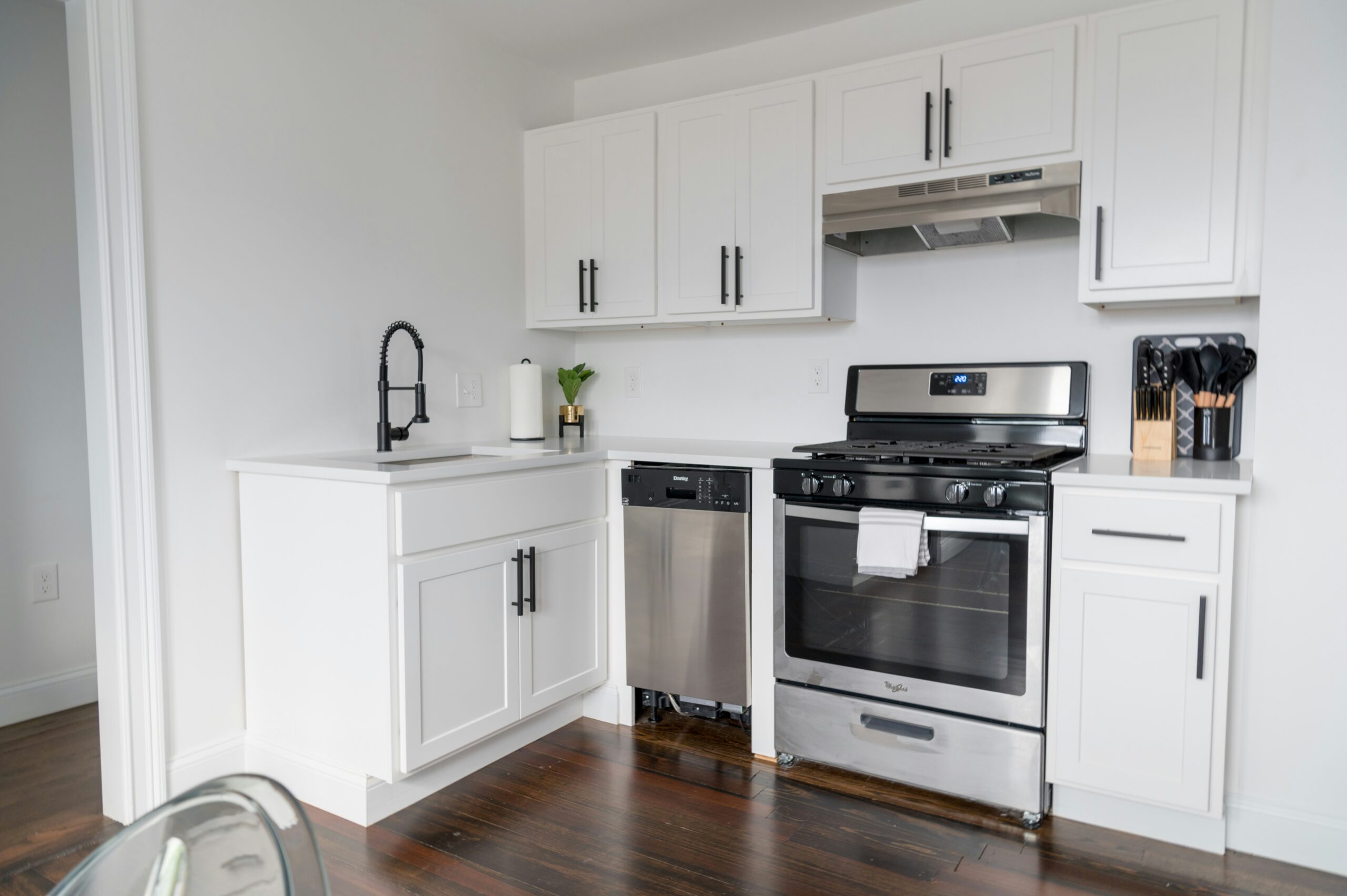
Working with a small kitchen doesn’t mean sacrificing functionality or style. With the right layout decisions and smart planning, you can create a space that feels open, works efficiently, and meets all your cooking needs.
Understanding Your Kitchen’s Footprint
Before rearranging anything, measure your kitchen accurately. Write down the exact dimensions of your floor space, wall lengths, and ceiling height. Note where your plumbing and electrical outlets are located, since moving these costs serious money.
Take photos from each corner. These images help you visualize changes without physically moving everything around first.
The Work Triangle Still Matters
Your sink, stove, and refrigerator form what designers call the work triangle. In small kitchens, keeping this triangle compact saves you steps and makes cooking less exhausting.
The ideal distance between each point is 4 to 9 feet. Any closer and you’ll feel cramped. Any farther and you’ll waste energy walking back and forth.
Choose the Right Layout for Your Space
Galley Kitchen Layout
Two parallel counters create a hallway-style workspace. This layout works brilliantly in narrow rooms because it maximizes wall space on both sides.
Keep the walkway between counters at least 42 inches wide. This gives you enough room to open cabinets and appliances without constantly bumping into the opposite side.
Place your sink and stove on one wall, refrigerator on the other. This arrangement keeps your work triangle tight while giving you plenty of counter space.
L-Shaped Layout
Perfect for corner spaces, this layout uses two adjacent walls. You get an open feel with natural traffic flow around the workspace.
Position your sink in the corner. This location takes advantage of the corner space that’s often wasted while keeping plumbing centralized.
Single Wall Layout
Everything lines up along one wall. This works for studio apartments or extremely narrow kitchens where no other option fits.
Arrange appliances with the refrigerator on one end, the stove in the middle, and the sink between them. This sequence creates the most logical workflow, even on a single wall.
Vertical Storage Changes Everything
Wall space is your secret weapon. Install cabinets that reach the ceiling, even if you need a step stool to access the top shelves. Those upper areas store items you don’t use daily.
Add floating shelves above your counter where wall cabinets don’t fit. These hold frequently used spices, oils, and cooking tools within arm’s reach.
Magnetic knife strips mounted on the wall free up valuable drawer space. The same goes for hanging pot racks or pegboards for utensils.
Smart Cabinet Solutions
Pull-out shelves in lower cabinets eliminate the need to crouch and dig through dark corners. You can see everything at a glance and access items in the back easily.
Corner cabinets with lazy Susans or pull-out organizers transform dead space into usable storage. These mechanisms bring items to you instead of forcing you to reach into awkward angles.
Drawer dividers keep utensils, cooking tools, and gadgets organized. This simple addition prevents the junk drawer chaos that wastes space and time.
Counter Space Strategies
Install a pull-out cutting board beneath your counter. This hidden surface gives you extra workspace when needed and tucks away when you’re done.
Use your stove cover as additional counter space when burners aren’t in use. Choose a flat cover that sits flush with the surrounding counters.
Add a rolling cart that slides under the counter or tucks into a corner. Roll it out when you need extra prep space or a serving station.
Appliance Selection Matters
Choose a slim-profile dishwasher (18 inches instead of 24 inches). These compact models still clean a surprising number of dishes while saving precious floor space.
Consider a microwave-convection oven combo that mounts above your range. This eliminates the need for a separate microwave on your counter.
Under-counter refrigerators work for single people or couples who don’t store massive amounts of food. These appliances blend seamlessly into your cabinetry.
Lighting Opens Up the Space
Under-cabinet lighting eliminates shadows on your work surfaces. LED strips consume minimal energy while making your kitchen feel larger and more inviting.
Replace any bulky light fixtures with slim profile options. Recessed lighting or track lighting provides excellent illumination without hanging down into your space.
Add a pendant light over your small dining area or counter if your ceiling height allows. This creates a focal point that draws the eye upward, making the room feel taller.
Color and Material Choices
Light colors reflect more light and make small spaces feel more open. White, cream, or light gray cabinets paired with matching walls create visual continuity.
Glass-front cabinet doors add depth without making the space feel heavy. They work best on upper cabinets where you can display attractive dishware.
Choose reflective backsplash materials like glossy subway tiles or stainless steel. These surfaces bounce light around the room and add a sense of spaciousness.
Door and Traffic Flow
Replace traditional cabinet doors with sliding doors that open into walkways. This simple change prevents doors from blocking passage when opened.
Remove a cabinet door or two from frequently accessed storage. Open shelving in strategic spots makes the space feel less boxed in while keeping daily items accessible.
Consider a pocket door for your kitchen entrance if the current door swings into your limited space. This architectural change can reclaim several square feet.
Zone Your Kitchen Effectively
Create a coffee station in one corner with your machine, mugs, and supplies grouped together. This dedicated zone keeps morning routines smooth and organized.
Establish a baking area with flour, sugar, measuring cups, and mixing bowls stored in the same cabinet. When everything’s together, you don’t waste time hunting for ingredients.
Set up a cleaning zone under your sink with supplies, trash, and recycling in one location. This consolidation makes tidying up faster and more efficient.
Measuring for Success
Before buying any furniture or appliances, measure twice. A kitchen cart that’s even one inch too wide won’t fit in that perfect spot you planned for it.
Leave adequate clearance for cabinet doors and appliance doors to open fully. Measure the swing radius, not just the closed dimensions.
Account for drawer depth when planning storage—deep drawers waste space if you’re only storing flat utensils and tools.
Implementing Your New Layout
Start by clearing everything out. This gives you a blank slate and forces you to reconsider what actually deserves space in your kitchen.
Clean thoroughly before placing items back. You’ll never have easier access to those corners and crevices.
Put items back according to your new zones and organization plan. Be ruthless about keeping only what you actually use.
Maintenance and Adjustments
Give your new layout two weeks before making changes. Some arrangements that seem awkward at first become natural once you adjust your habits.
Notice which items you reach for most often and make sure they’re in prime locations. The most accessible spots should hold your most-used tools and ingredients.
Reorganize seasonally. Your needs change throughout the year, and your kitchen layout can adapt accordingly.
Final Thoughts
Maximizing a small kitchen comes down to planning and smart use of every available surface. The layout you choose sets the foundation, but the real magic happens in how you organize within that framework.
Start with one area and work systematically through your kitchen. Small improvements add up quickly, and before long, you’ll have a space that works harder for you than you ever thought possible.
Your small kitchen has more potential than you realize. Take it step by step, focus on functionality first, and watch your cooking space transform into something genuinely efficient.
