

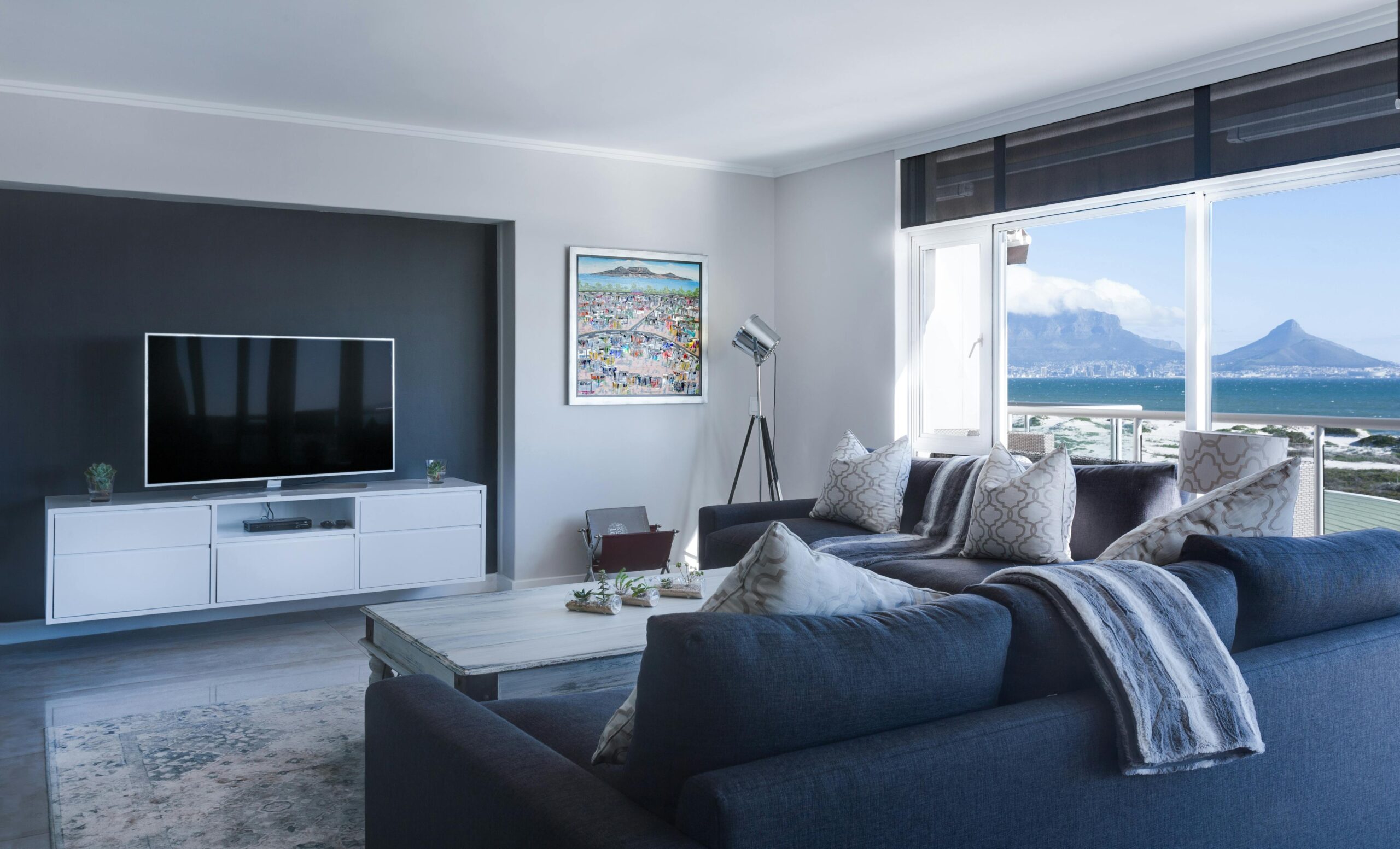
A 12×14 room gives you 168 square feet to work with. That’s actually more space than you might think, and yes, a sectional can absolutely work in this size room. The key is choosing the right configuration and placing it strategically.
Most people assume sectionals are only for large spaces, but that’s a myth. The right sectional makes a 12×14 room feel more spacious and functional than a traditional sofa and loveseat combo.
Why a Sectional Works in a 12×14 Space?
Sectionals maximize corner space that often goes unused. Instead of having dead zones where furniture doesn’t quite fit, a sectional wraps around and uses every inch effectively.
In a 12×14 room, you’re likely dealing with either a nearly square space or a slightly rectangular one. Both layouts can accommodate sectionals, though your approach will differ slightly.
The average sectional ranges from 90 to 120 inches in length on the long side. A 12-foot wall gives you 144 inches, so even larger sectionals can fit with room to spare for proper spacing.
Measuring Your Space Correctly
Before shopping, you need accurate measurements. Don’t just measure wall to wall.
Start by measuring your room’s actual dimensions, then subtract space for:
- Doorways and their swing radius (at least 36 inches).
- Windows and how far they extend into the room.
- Radiators, vents, or built-in features.
- Traffic pathways (minimum 30 inches, preferably 36).
Your usable floor space will be smaller than the room’s total dimensions. A 12×14 room might have only 10×12 feet of actual furniture placement area once you account for doorways and walkways.
Mark these measurements on paper or use painter’s tape on your floor to visualize the sectional’s footprint before buying.
Best Sectional Sizes for a 12×14 Room
Not all sectionals are created equal. Here’s what actually fits:
Small to Medium L-shaped sectionals work best. Look for pieces where the longer side is 90-108 inches and the shorter side is 60-75 inches.
Three-Piece Sectionals give you flexibility. A configuration with a sofa (75-80 inches), corner piece, and loveseat (60 inches) typically measures around 95×80 inches total, fitting comfortably with breathing room.
Apartment-Size Sectionals are specifically designed for spaces like yours. They usually max out at 100 inches on the longest side.
Avoid oversized sectionals with deep seats exceeding 40 inches. Standard 36-38 inch depths work better in contained spaces.
Skip sectionals with extended chaises longer than 65 inches unless you’re placing them along the 14-foot wall with nothing else on that side.
Strategic Placement Options
Where you position your sectional matters as much as its size.
Corner Placement is the most common approach. Position the sectional in the corner opposite your entry door. This creates a natural conversation area and leaves the entry wall open for flow.
Floating the Sectional away from the walls makes the room feel larger. Pull it 12-18 inches off the walls to create a walkway behind it. This works especially well in the 14-foot direction.
Against the Longest Wall places the sectional’s back flush with your 14-foot wall. The chaise extends into the room, creating a cozy, defined seating zone while keeping one side completely open.
Diagonal Placement works in some 12×14 rooms, especially if you have a corner fireplace or want to divide the space. This unconventional approach can add visual interest.
Configurations That Maximize Space
The shape of your sectional dramatically affects how the room functions.
L-Shaped Sectionals are your safest bet. They provide ample seating without overwhelming the space. Choose a configuration with a right or left-facing chaise depending on your room’s entry point and window locations.
Three-Seater with Chaise typically measures 95×60 inches, giving you seating for four to five people while leaving floor space for a coffee table and additional accent chair.
Reversible Chaise Sectionals offer flexibility if you’re unsure about the best orientation. You can switch the chaise side as needed.
Modular Sectionals let you reconfigure pieces as your needs change. Start with three modules and add a fourth later if the layout works.
Avoid U-shaped or wraparound sectionals. They’re too large for a 12×14 room and will make the space feel cramped.
Furniture Pairing and Layout Tips
Your sectional doesn’t exist in isolation. Here’s what else fits:
Coffee Table: Choose one that’s 36-48 inches long and 24-30 inches wide. Leave 14-18 inches between the table and sectional for leg room.
Side Tables: Use one or two small side tables (18-24 inches) instead of large end tables. They provide surface space without bulk.
TV Placement: If you’re including a TV, mount it on the wall opposite the sectional. A 50-55 inch TV works proportionally in a 12×14 room. Keep your TV stand under 60 inches wide.
Additional Seating: You can fit one accent chair (30-32 inches wide) opposite the chaise end if needed. Skip it if the room feels too full.
Storage: Use vertical storage like tall bookcases or wall-mounted shelves rather than bulky storage ottomans that eat floor space.
Style Choices That Create Spaciousness
Design decisions affect how large your 12×14 room feels with a sectional.
Low-Profile Sectionals with legs rather than skirted bases make rooms feel airier. Visible floor space underneath creates an illusion of more room.
Lighter Colors reflect light and visually expand the space. Grays, beiges, and soft blues work better than dark browns or blacks in smaller rooms.
Slim Arms take up less space than thick rolled or track arms. A sectional with 5-inch arms versus 10-inch arms gives you an extra 10 inches of seating width.
No Bulky Cushions: Skip the overstuffed pillow-back styles. Tight-back or semi-attached cushions maintain a sleeker profile.
Raised Legs: Choose sectionals with legs at least 4-5 inches high. This shows the floor beneath and helps with visual flow.
Common Mistakes to Avoid
Don’t buy before measuring your doorways and hallways. A sectional that fits the room but can’t make it through your entry door is useless.
Avoid pushing all furniture against the walls. This actually makes rooms feel smaller, not larger.
Don’t ignore scale. A sectional is substantial furniture. Balance it with appropriately sized accessories and artwork, not tiny decorative items that get lost.
Skip the matching furniture sets. You don’t need a sectional, loveseat, and chair all from the same collection. That’s overkill for 168 square feet.
Don’t forget about outlets. Make sure you can reach electrical outlets for lamps without running cords across walkways.
Making It Work: Real Layout Examples
Layout 1: Place an L-shaped sectional (95×65 inches) in the back right corner. Add a 42-inch round coffee table centered in front. Position a 55-inch TV on the opposite wall with a 50-inch console. This leaves the entry wall clear and creates 36 inches of walking space.
Layout 2: Float a three-piece sectional (100×70 inches) 18 inches from the back wall. Place a narrow sofa table behind it for lamps and décor. Use a small nesting coffee table set that can be separated or stacked as needed. Add a wall-mounted TV opposite the main seating area.
Layout 3: Position an apartment-size sectional (88×60 inches) along the 14-foot wall. Add a compact armchair opposite the chaise end to create a conversation area. Use a slim 36-inch coffee table and two small side tables. This layout works well if you need the room to function as both a living and a workspace.
Testing Before You Commit
Use these methods to visualize before purchasing:
Create a scale floor plan using graph paper where each square represents six inches. Cut out furniture shapes to scale and move them around.
Lay out painter’s tape or newspaper on your floor in the exact dimensions of the sectionals you’re considering. Live with the tape for a few days, walking around it and testing traffic flow.
Many furniture retailers offer augmented reality apps that let you see how pieces look in your space using your phone camera.
Measure your current sofa or furniture and compare it to potential sectionals. Seeing the size difference relative to what you already have helps.
The Bottom Line
A sectional absolutely fits in a 12×14 room when you choose the right size and configuration. Stick with L-shaped sectionals under 100 inches on the longest side, position them strategically to maintain traffic flow, and balance them with appropriately scaled accessories.
The space works best with three to four total furniture pieces: the sectional, a coffee table, and one or two accent pieces. More than that makes the room feel cluttered.
