Intro
The Pixel 10 Pro XL is, in short, a modest and purposeful update over its predecessor. It does not chase headline-grabbing specs, but it remains a top-tier phone, especially for photography.
Design and Build
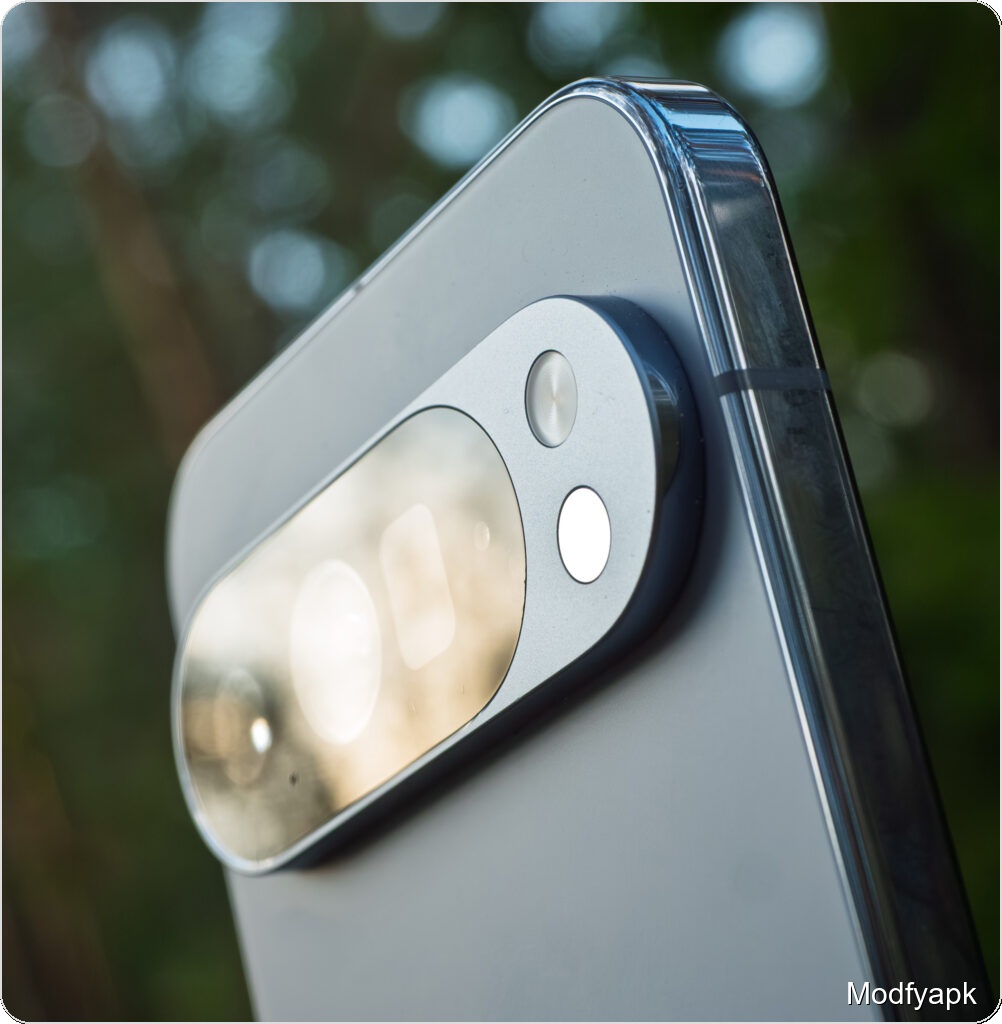
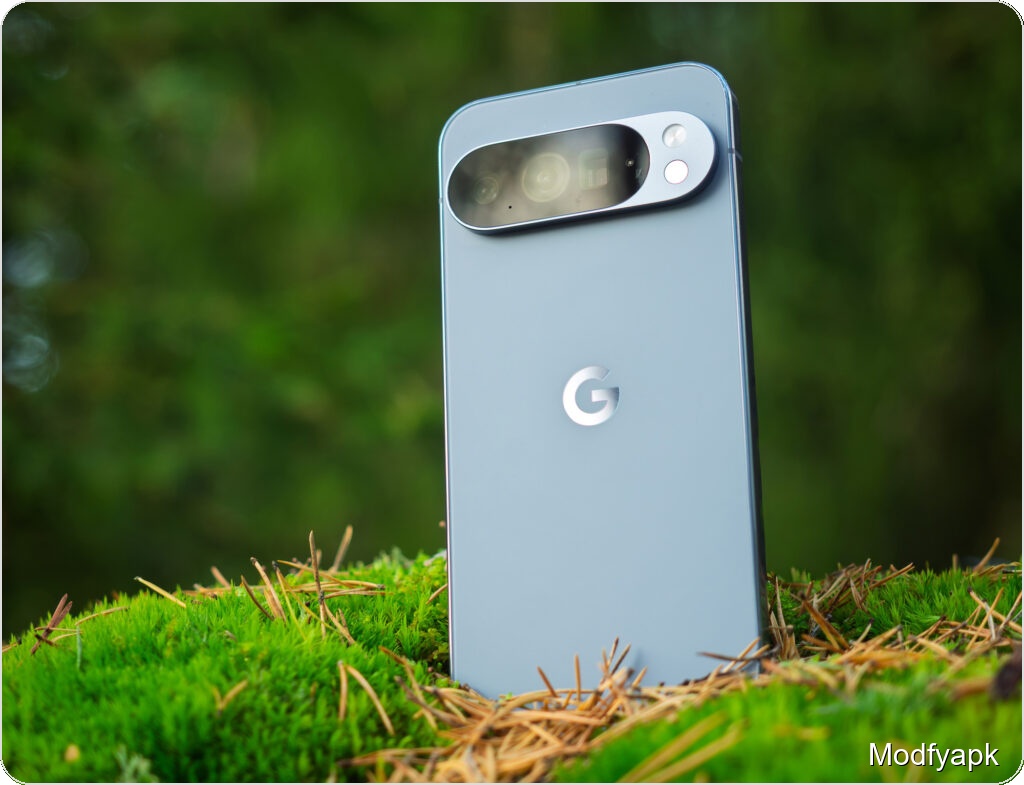
When you compare the Pixel 10 Pro XL to last year’s model, the family resemblance is unmistakable. The differences are subtle enough that only a trained eye will pick them out. Aside from color choices, the clearest change is a slightly taller camera bump across the rear panel.
Google ships the phone in four colors. Obsidian and Porcelain return with familiar names and tones. The gray option is now called Moonstone and likely has a slightly different hue. Last year’s pink has been replaced by a pale green called Jade.
Build quality is excellent. There are no rough seams, gaps, or edges; the frame, buttons, and material joins feel uniformly smooth. That finish comes with a downside: in hand, the Pixel is slick and invites a case unless you want to take the risk.
Dimensions are identical to last year (162.8 x 76.6 x 8.5 mm), though the phone gained 11 grams, and it feels weighty. The weight is well balanced, so it rarely feels top-heavy, but the Pro XL is still a two-handed device for most people. Water resistance remains IP68, rated for submersion to 1.5 meters.
US models have fully moved to eSIM, while units sold in other markets may still include a physical SIM tray on the top edge. Power and volume buttons are both on the left side, which many will find convenient but makes two-button screenshots trickier. The metal buttons feel tactile and precise.
Display and Audio
The Pixel 10 Pro XL retains a 6.8-inch LTPO OLED panel that largely mirrors last year’s display. Image quality is excellent across the board. The panel supports a dynamic refresh rate from 1 to 120 Hz and reaches a pixel density of 486 ppi.
Color accuracy is superb; DxOMark measured the Pixel 10 Pro XL as the most color-accurate device in their tests. The big upgrade over the previous model is peak brightness. Google claims up to 3300 cd/m2, and the screen reads extremely well in direct sunlight. Reflections are slightly stronger than on the Samsung Galaxy S25 Ultra, but overall outdoor legibility is outstanding.
Google reintroduced an Adaptive Tone feature that adjusts color temperature to ambient lighting, similar to Apple’s True Tone. It works well and is a welcome return of an old Pixel feature.
Biometrics, OS, and Software
The phone offers two biometric options. The in-display ultrasonic fingerprint reader proved reliable in everyday use, if not the absolute fastest compared with some rivals. Face unlock uses the front camera only, without additional 3D hardware, so it is less reliable and fails in low light.
The Pixel ships with Android 16 and a clean, optimized Google experience—no heavy skins or added vendor features. The underlying Material 3 Expressive design brings subtle UI changes and broader theming options for colors and fonts, but overall the interface feels familiar and comfortable.
Google continues its seven-year update promise for OS and security updates, counted from the device’s US launch date. That commitment, introduced with the Pixel 8, remains a standout advantage versus most competitors.
AI Features and Services
Google has emphasized a suite of AI features: Magic Cue, Pro Res Zoom (up to 100x), and Google AI Pro. Magic Cue surfaces contextually relevant info from your Google apps—calendar, email—when composing replies. It sounds useful, but it is not yet available in all languages.
Google AI Pro is a subscription that unlocks expanded access to Gemini, NotebookLM, and text-to-video tools. Buyers get 12 months free, then it becomes paid—part of a broader smartphone trend of converting device perks into subscription services.
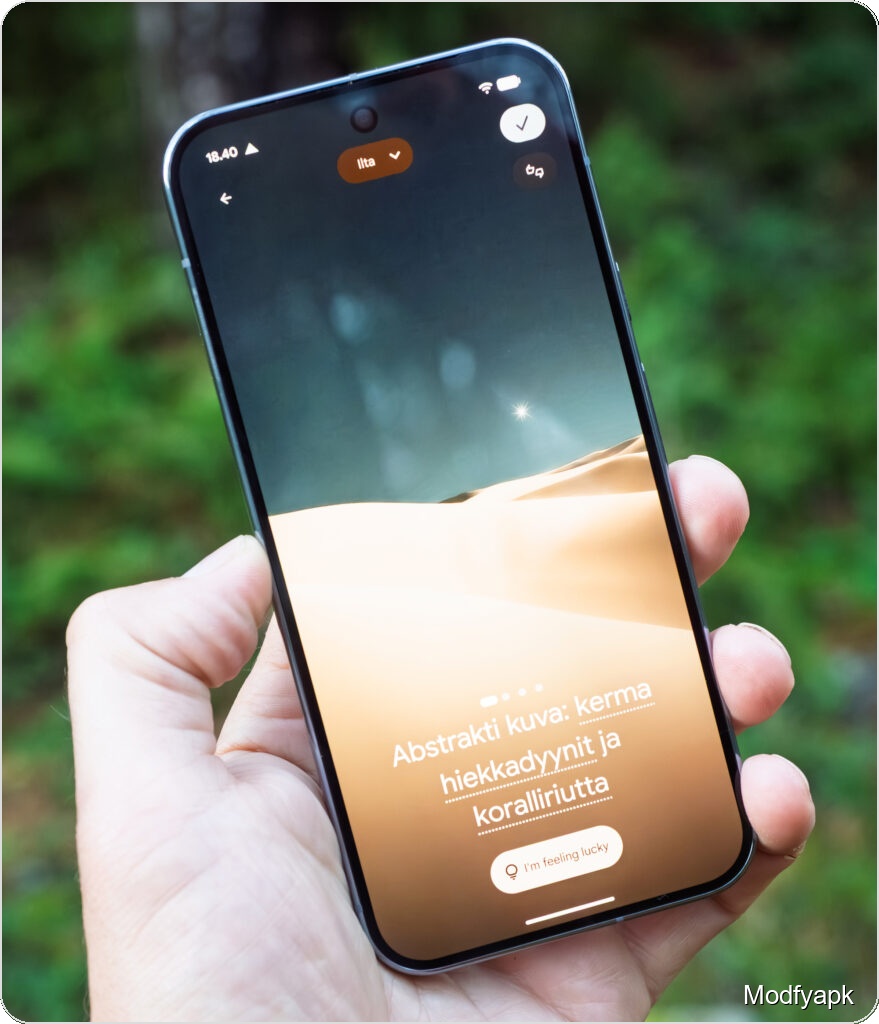
A lighter but genuinely fun AI tool is the wallpaper generator, which can create unique lock- and home-screen art from a few words—or surprise you with an auto-generated result via an “I’m feeling lucky” option.
Android 16 also hides an experimental Desktop Mode, similar to Samsung DeX, which lets the phone run on an external display via USB-C when paired with a Bluetooth keyboard and mouse. In our tests the feature was inconsistent: one BenQ monitor showed a usable image (at low resolution) while another did not, suggesting the feature is not yet finalized.
Cameras
The Pixel 10 Pro XL keeps the same hardware trio as last year: a 50 MP main wide (1x), a 48 MP ultrawide (0.5x), and a 48 MP telephoto camera (5x). The sensors and optics match last year’s components.
Imaging is as much about software as hardware. The new on-device Tensor G5 chip includes an updated image signal processor, and while Google did not disclose details, this appears to enable more aggressive computational processing without perceptible lag.
In bright daylight the cameras deliver natural, pleasing images with good highlight control. Color consistency across the 1x and 0.5x modules is excellent. The 5x telephoto camera images can show overprocessing in fine textures and some oversharpening, but they remain among the better results you’ll get from a phone.
Google’s DNG raw files reveal why: raw images are often considerably softer than the final JPGs, especially from the 0.5x and 5x modules, indicating substantial post-capture processing to produce the finished photos.
At higher zoom levels image quality declines rapidly. A 10x JPG can look passable on the phone screen but falls apart under close inspection. By 30x the raw data contains only a handful of pixels and artifacts are obvious.
Portrait mode has improved compared with the Pixel 9 series. Segmentation is more believable and the background blur often reads as more natural, though small errors remain visible at full resolution and in fine details like hair.
Low-light shooting still benefits from Google’s heavy computational touch. In scenes about an hour after sunset the Pixel can lift shadows convincingly, producing images that read as evening rather than full darkness. But in genuinely dim, late-night scenes the Pixel struggles; aggressive processing can create smeared detail and digital noise that cannot be rescued from the raw file.
Pro Res Zoom—the Pixel’s AI-driven 100x mode—is the most problematic headline. At extreme zooms the algorithm generates details that look plausible but are not faithful to reality. In tests the 100x output sometimes invented logos or textures that do not exist on the real subject. The underlying captured area at extreme distances is tiny, sometimes a fraction of a megapixel, so the “zoom” is primarily reconstruction. If you need photographic fidelity, avoid relying on Pro Res Zoom for factual close-ups.
Camera Coach is a new companion that offers composition suggestions, like crouching to a pet’s eye level for a portrait. It leans toward framing tips rather than technical adjustments, which is an interesting direction but remains a challenging task for AI to deploy consistently.
Video and Stabilization
Video stabilization appears improved over last year. In a brisk walk on uneven terrain stabilization produced a smooth, nearly floating effect with only occasional motion blur during sharper jolts. Faster runs showed more frequent artifacts. Overall the Pixel produces steady handheld footage well, though it is not infallible.
Performance
The Pixel 10 Pro XL runs on Google’s Tensor G5 and a Titan M2 security co-processor. The G5 moves to a TSMC 3 nm process from last year’s Samsung 4 nm G4, and the architectural changes yielded modest gains.
In benchmark testing the Pixel improves single-core performance over the G4 by about 25 percent but remains well behind Qualcomm’s Snapdragon 8 Elite in raw CPU power. Multicore gains are larger due to a rebalanced core configuration (from 1+3+4 to 1+5+2), but the G5 still trails the fastest Snapdragon chips.
AnTuTu and GFXBench results show that graphics performance is only incrementally better than the previous Pixel. Google has not closed the gap against top-tier Snapdragon-based rivals for GPU-bound tasks. In daily use the Pixel does not feel slow—apps, browsing, and multitasking are fluid—but it is not the fastest phone for heavy gaming.
PCMark-style workload testing showed a roughly 16 percent improvement over last year in practical mixed tasks. That aligns with the overall takeaway: respectable gains, not generational leaps.
Battery and Charging
The Pixel 10 Pro XL packs a roughly 5200 mAh battery (Google lists a minimum of 5079 mAh). Battery life improved by about 10 percent over the 9 Pro XL in our workload testing. The phone will comfortably carry most users into the next day, though heavy users may need an evening top-up.
Wired charging caps at 45 W. The headline wireless change is PixelSnap, a MagSafe-style magnetic system compatible with Qi2 and Apple’s MagSafe accessories. Wireless charging is rated up to 25 W with compatible chargers.
Summary
How you judge the Pixel 10 Pro XL depends on expectations. If you wanted a dramatic performance catch-up with Snapdragon-powered rivals or a radical camera hardware overhaul, this is not that phone. If you value a refined, coherent flagship with excellent build quality, class-leading stills in many conditions, a very bright and accurate display, and a long software update promise, then Google delivered.
The Pixel 10 Pro XL is a confident, incremental update. It keeps what worked in the Pixel 9 Pro XL and polishes many of those strengths. Where Google leans most heavily—computational photography and AI features—the results are often impressive, although not without caveats: Pro Res Zoom can invent detail, and several headline AI features remain limited by language support.
For buyers who value camera quality, a clean Android experience, and long-term updates, the Pixel 10 Pro XL remains a top pick. It is not a leap forward, but it is a very good one.
Pros and Cons
Good
- Outstanding build quality
- Very natural-looking camera output for a phone
- Extremely bright, color-accurate display
- Seven-year update promise
- PixelSnap wireless charging compatible with Apple MagSafe accessories
- Clean Android 16 experience
Bad
- Relatively heavy
- Zoom marketing overpromises
- Pro Res Zoom outputs are not faithful to reality
- Performance still trails the fastest competitors
Key Specifications
| Price | 1359 € (256 GB), 1489 € (512 GB), 1759 € (1 TB) |
| SoC / Security | Google Tensor G5, Titan M2 security processor |
| RAM | 16 GB |
| OS | Android 16 |
| Display | 6.8″ Super Actua LTPO OLED, 1344 × 2992, 1–120 Hz, Corning Gorilla Glass Victus 2 |
| Peak Brightness | Up to 22 cd/m2 (HDR mode), up to 3300 cd/m2 (peak) |
| Cameras | Main 50 MP (1/1.3″, f/1.68), Ultrawide 48 MP (1/2.55″, f/1.7), telephoto camera 48 MP 5x (1/2.55″, f/2.8), Front 42 MP (f/2.2) |
| Connectivity | 5G, LTE, Wi‑Fi, Bluetooth, NFC; SIM + eSIM |
| Ports | USB‑C 3.2 |
| Battery | 5200 mAh (min 5079 mAh), wired fast charge 45 W, wireless Qi2 / PixelSnap up to 25 W |
| Dimensions & Weight | 162.8 × 76.6 × 8.5 mm, 232 g |
| Other | IP68 rating, under-display ultrasonic fingerprint reader |