Oppo brings Find X9 to the global stage
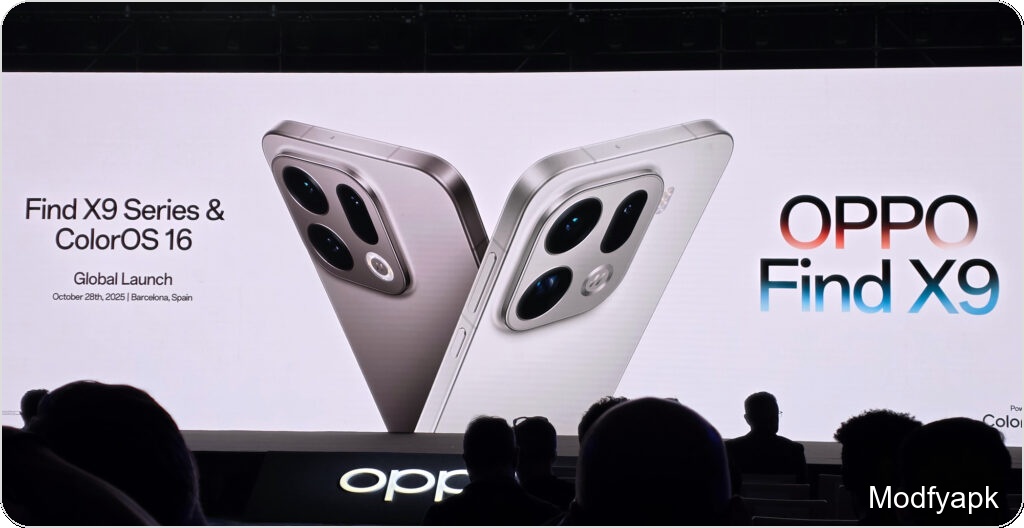
Oppo has rolled out the Find X9 worldwide after an earlier China debut, unveiling both the Find X9 Pro and the smaller Find X9 at an event in Barcelona. Only the standard Find X9 will be sold in Finland, and this first look is based on demo units at the show rather than review samples.
Appearance and build
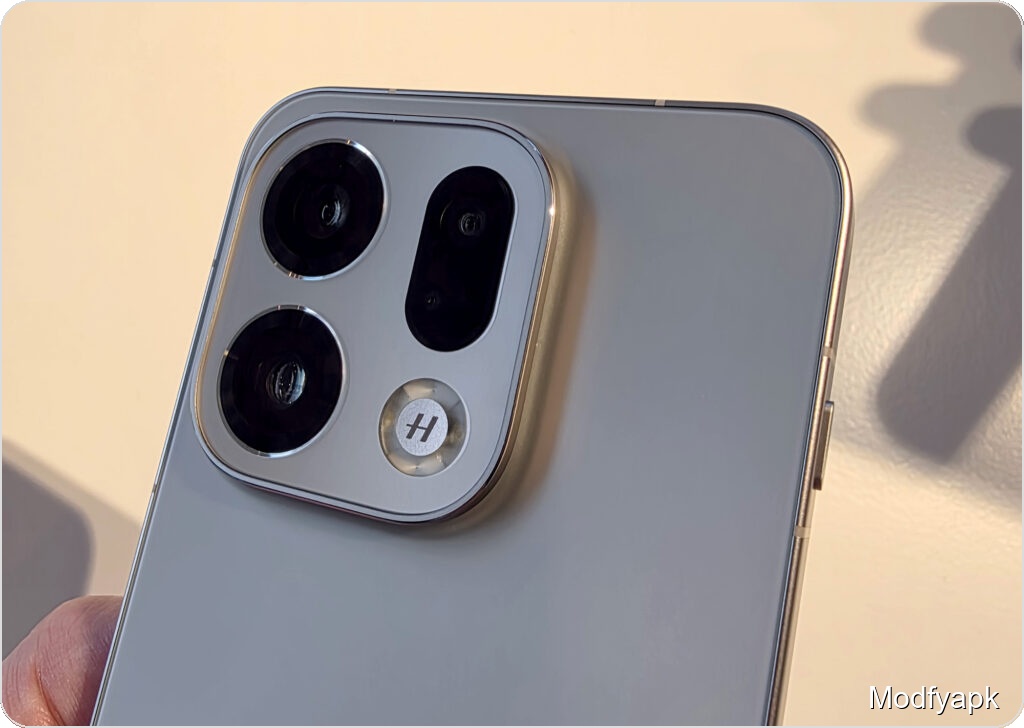
Superficially the two models are hard to tell apart. The quickest giveaway is the flash placement: on the standard Find X9 the flash sits inside the camera module around the Hasselblad logo, while on the Pro it sits outside the module. The Pro’s camera bump is noticeably larger in person.
The Pro also adds a dedicated camera button on the side that the standard model lacks. Other differences are subtle.
Size, display and durability
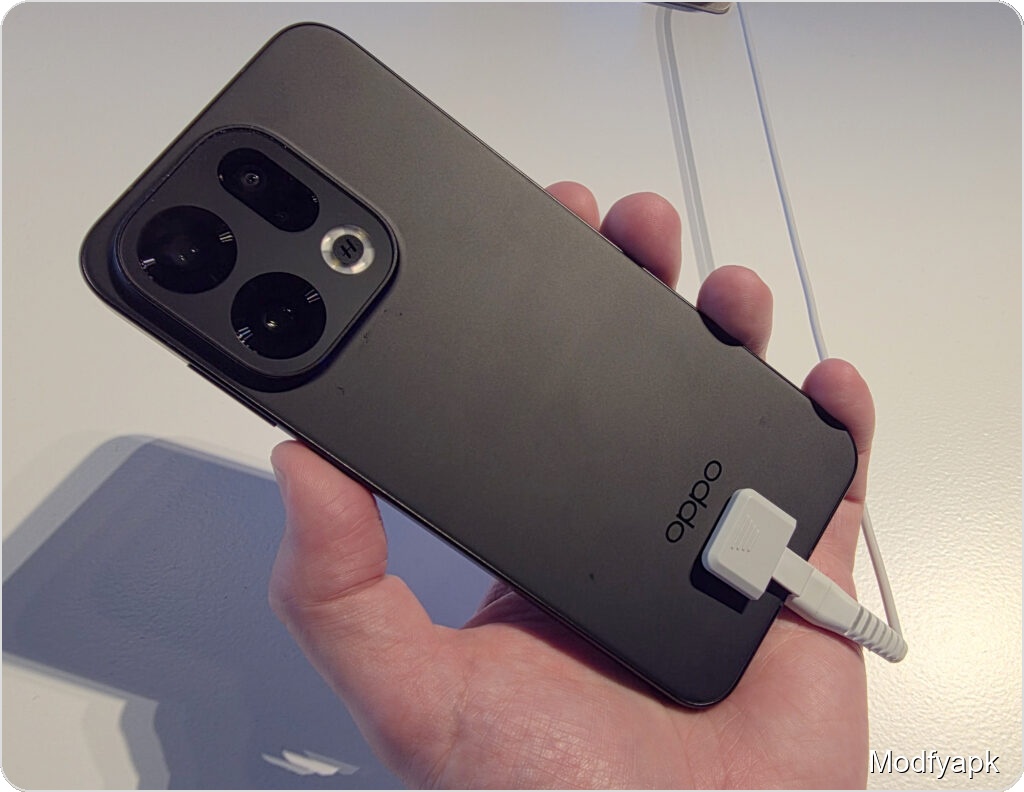
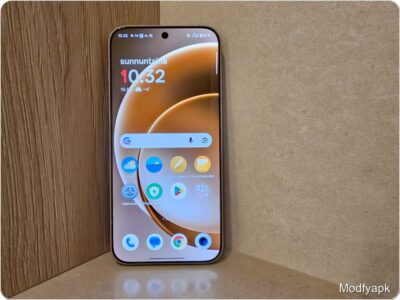
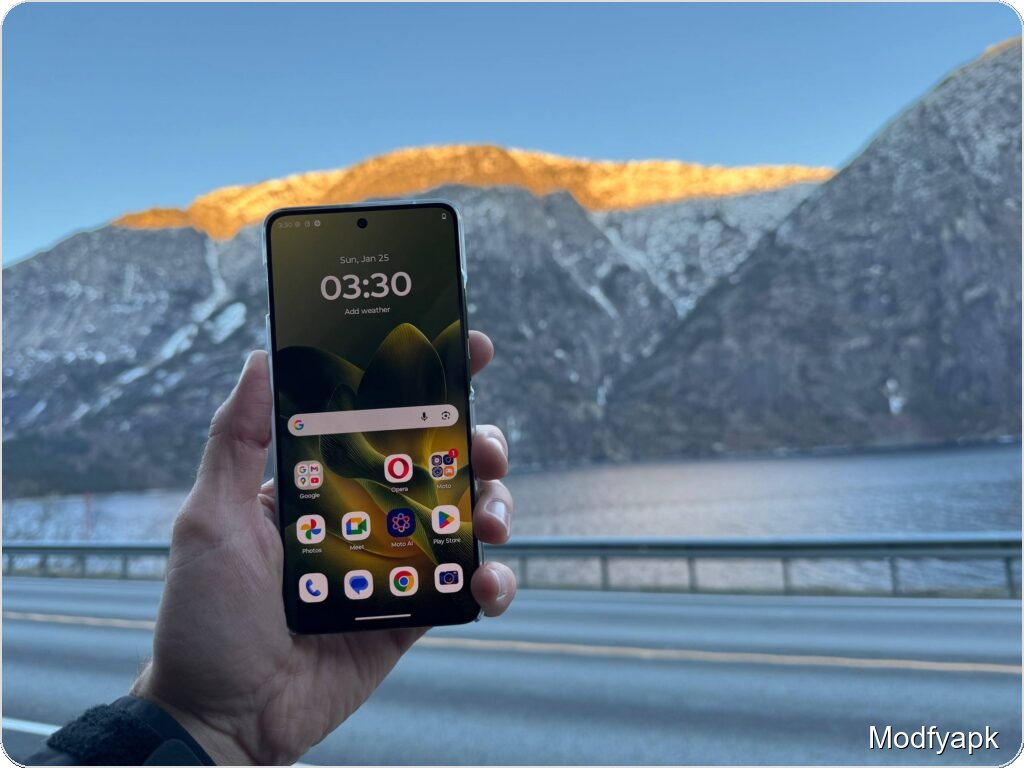
The Find X9 uses a 6.59-inch AMOLED display and is slightly smaller than the Pro, measuring 157 x 73.9 x 8 mm. At 203 grams it felt lighter in hand than the number suggests.
The phone is glass-front and back with an aluminum frame and Gorilla Glass surfaces. It carries IP68/IP69 ratings, meaning it withstands water jets and submersion to 1.5 meters for 30 minutes. The dark finish on our demo unit paired the frame and back nicely; the lighter finish was less harmonious.
Oppo emphasized very thin bezels, quoting a bezel thickness of 1.13 millimeters. The flat-edge design feels modern, though not especially distinctive.
Hardware extras
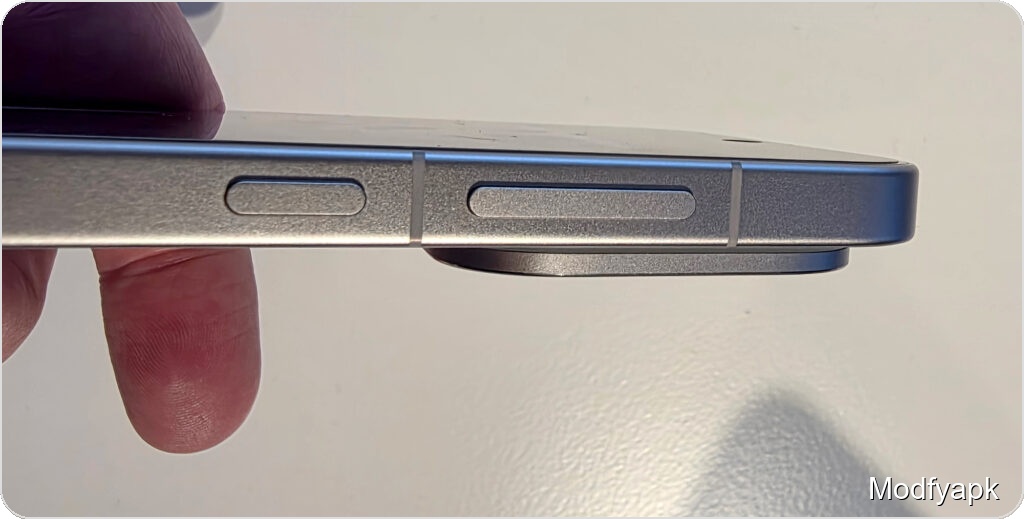
On the side is an AI Snap button for launching AI-assisted features, a concept already seen on OnePlus phones as Plus Key. The battery is a 7,025 mAh cell that supports 80W wired and 50W wireless charging, promising strong endurance and sensible charging speeds.
The display hit a bright impression in the demo, with Oppo claiming 1,800 nits in normal use and peak point brightness up to 3,600 nits. The demo content did not include HDR10+ material, but the panel performed well and default color tuning leaned toward vivid.
Cameras and Hasselblad tuning
Rear imaging hardware includes three 50-megapixel sensors: a main camera, a 3x optical telephoto camera and an ultra-wide that also handles macro shots.
Oppo’s long-running collaboration with Hasselblad now continues under Oppo’s corporate umbrella rather than via OnePlus. Hasselblad branding appears in features such as an Xpan panorama mode, a dedicated high-resolution mode and branded filters, plus a Master shooting mode. More interesting is the color spectrum sensor used by the camera unit, which aims to capture ambient light characteristics to better reproduce a scene’s mood.
In the show’s mixed lighting the color rendering felt natural, suggesting the approach can work in real scenes. Quick snaps looked sharp on the phone’s screen with good dynamic range, though colors were somewhat exaggerated by default. The camera supports up to 120x zoom, but at that extreme images showed heavy AI processing artifacts. More useful AI features included an AI Eraser that produced convincingly clean results.
Performance and software
The Find X9 runs ColorOS 16 on top of Android 16, and Oppo highlighted the software’s responsiveness. The phone is powered by a MediaTek Dimensity 9500 chipset paired with an ARM G1 Ultra GPU.
Storage comes as 512 GB UFS 4.1 and 12 GB of RAM, with an optional 12 GB RAM expansion feature. Other practical features include stereo speakers, Wi‑Fi 7 and Bluetooth 6.0.
Positioning and price
The Find X9 offers largely the same performance and imaging features as the Pro while being slightly smaller and lighter. Since the Pro is not part of the official Finnish lineup, local buyers effectively have the Find X9 as the available choice.
Oppo has priced the Find X9 at 999 euros. That places it below the very top tier but not inexpensive, aiming at users who want strong performance, solid camera hardware and a sensible size without excessive extras.
| Display | 6.59-inch AMOLED, up to 1800 nits (regular), point brightness up to 3600 nits |
| Dimensions | 157 x 73.9 x 8 mm |
| Weight | 203 g |
| Battery | 7,025 mAh, 80W wired, 50W wireless |
| Chipset | MediaTek Dimensity 9500 |
| GPU | ARM G1 Ultra |
| Memory & Storage | 12 GB RAM (plus 12 GB RAM expansion), 512 GB UFS 4.1 |
| Cameras | Three 50 MP sensors: main, 3x optical telephoto camera, ultra-wide with macro |
| Connectivity | Stereo speakers, Wi‑Fi 7, Bluetooth 6.0 |
| OS | ColorOS 16 based on Android 16 |
| Water resistance | IP68 / IP69 |
| Price | 999 euros |