

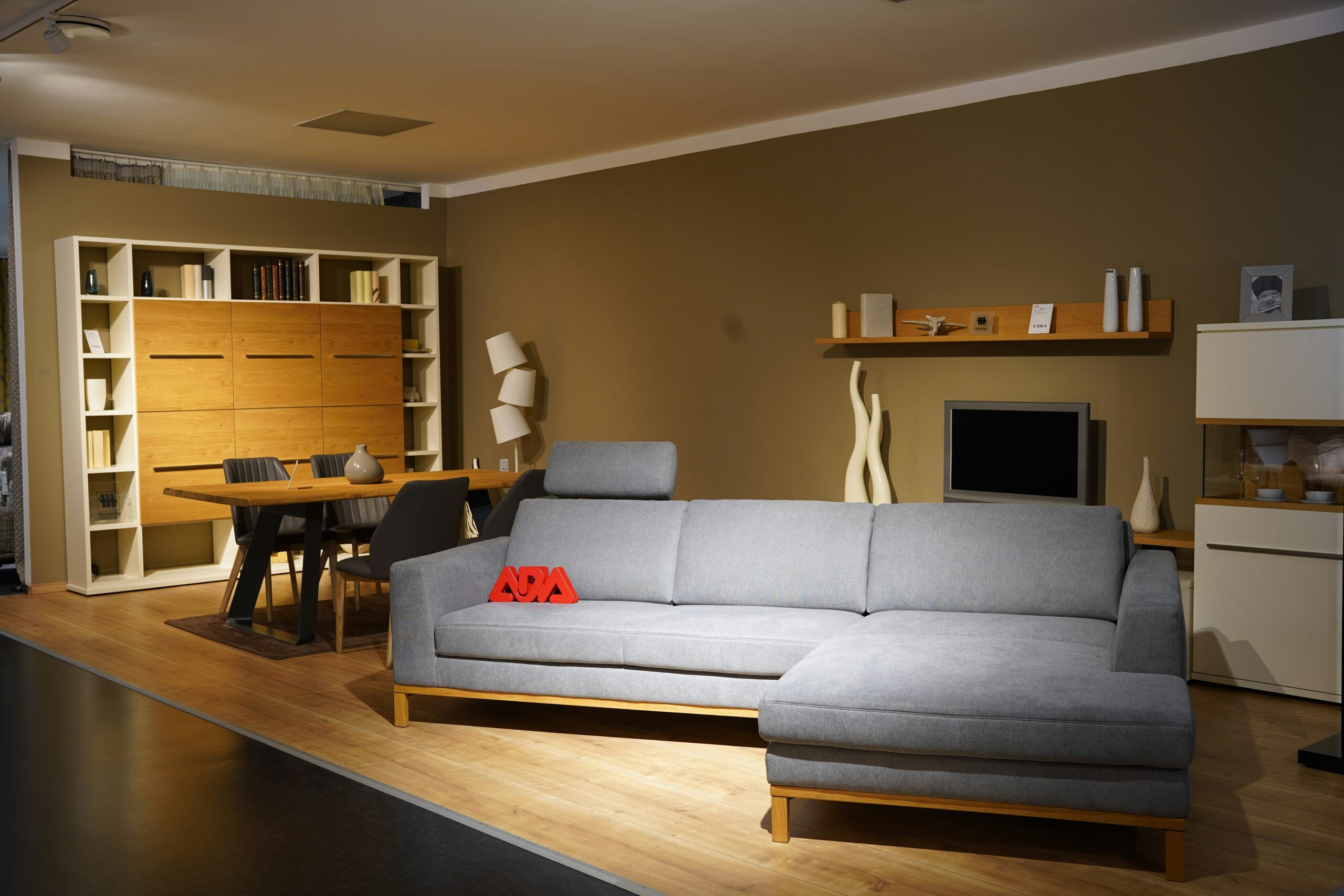
Living in a compact space doesn’t mean sacrificing comfort or style. A 200-square-foot living room might sound limiting, but with the right approach, you can create an environment that feels twice as spacious.
Understanding Your Space
Before moving furniture around, measure everything. Know your exact dimensions, ceiling height, and where natural light enters. These measurements guide every decision you’ll make.
Walk through your space at different times of day. Notice where shadows fall and which areas feel cramped. This awareness helps you identify problem zones that need strategic solutions.
The Foundation: Furniture Scale Matters
Oversized furniture kills small spaces instantly. That plush sectional might look amazing in the showroom, but it’ll swallow your living room whole.
Choose pieces that match your room’s proportions. A 72-inch sofa works better than a 90-inch one. Opt for armless chairs or those with slim profiles—every inch counts when you’re working with limited square footage.
Furniture with exposed legs creates visual breathing room. When you can see floor space beneath pieces, the room appears larger. Solid, boxy furniture that sits directly on the floor makes spaces feel heavy and closed in.
Strategic Furniture Placement
Push everything against the walls, right? Wrong. This outdated approach actually makes small rooms feel smaller.
Float your sofa a few inches from the wall. This creates depth and makes the space feel intentional rather than cramped—position seating to encourage conversation while maintaining clear pathways.
Your main walkway needs 30 inches minimum. Tight passages make rooms feel claustrophobic even when you have adequate square footage elsewhere.
Create distinct zones without walls. Use your sofa back to separate the living and dining areas. An area rug defines the conversation zone. These invisible boundaries add structure without eating up space.
Vertical Space Is Your Secret Weapon
Most people forget about the upper half of their walls. This wasted real estate offers massive potential for small spaces.
Install floor-to-ceiling shelving. This draws the eye upward and provides storage without consuming floor space. Keep lower shelves for items you use frequently and higher ones for decorative pieces or seasonal items.
Mount your TV instead of using a bulky entertainment center. Wall-mounted TVs free up valuable floor space and create a streamlined look.
Hang curtains at ceiling height, not at the window frame. This simple trick makes ceilings appear higher and windows larger. The vertical lines guide eyes upward, enhancing the sense of height.
Light Creates Space
Dark rooms feel smaller, period. Maximize every light source available to you.
Keep windows unobstructed. Heavy drapes block natural light and make spaces feel confined. Use sheer curtains or mount blinds inside the window frame to maximize light exposure.
Layer your lighting with three levels: ambient, task, and accent. A single overhead fixture leaves corners dark and creates harsh shadows. Add floor lamps, table lamps, and wall sconces to eliminate dead zones.
Choose light fixtures that don’t dominate. A massive chandelier overwhelms a small space. Opt for flush-mount fixtures or slim pendant lights that provide illumination without visual weight.
Color Strategy That Works
White walls aren’t your only option, but color choice dramatically impacts perceived space.
Light, neutral tones reflect light and make walls recede. Soft grays, warm beiges, and pale blues create an airy foundation. These colors don’t fight for attention, letting your space breathe.
Use darker colors strategically. A dark accent wall adds depth without shrinking the room if you choose the right wall. Paint the wall furthest from your entrance or one perpendicular to windows.
Maintain color continuity. When walls, trim, and ceiling share similar tones, boundaries blur. This visual trick eliminates the boxy feeling that plagues small rooms.
Mirrors and Reflective Surfaces
Mirrors literally double your space visually. Position a large mirror opposite a window to bounce natural light throughout the room.
Place mirrors strategically, not randomly. A mirror reflecting a blank wall does nothing. Reflect windows, artwork, or interesting architectural features to multiply visual interest.
Incorporate reflective surfaces beyond mirrors. Glass coffee tables, metallic accents, and glossy finishes catch and distribute light. These surfaces add dimension without solid mass.
Multi-Functional Furniture Essentials
Every piece should earn its place through multiple functions.
Storage ottomans serve as seating, footrests, and hidden storage. Nesting tables provide surface space when needed and tuck away when not in use. A console table behind your sofa adds display space without requiring additional floor area.
Look for furniture with built-in storage. Sofas with underneath drawers, coffee tables with shelves, and media consoles with closed cabinets hide clutter while serving their primary purpose.
Consider convertible pieces. A sleeper sofa turns your living room into a guest room. A drop-leaf table expands for dinner parties and contracts for daily use.
Decluttering Changes Everything
Clutter makes any space feel smaller and chaotic. In a 200-square-foot room, disorder becomes overwhelming quickly.
Adopt a one-in-one-out rule. When something new enters your space, something old must leave. This prevents accumulation and forces you to evaluate what truly deserves space in your home.
Store items vertically in cabinets and closets. Shelf dividers and stackable bins maximize storage capacity. Keep surfaces clear except for intentional decorative elements.
Display collections thoughtfully. Five carefully chosen pieces create impact. Twenty-five random items create chaos. Edit ruthlessly and rotate displays seasonally to keep things fresh.
Area Rugs Define Without Dividing
The right rug anchors your space without cutting it into smaller chunks.
Choose a rug large enough that at least the front legs of your furniture rest on it. Tiny rugs floating in the middle of the room make spaces feel disjointed and actually smaller.
Light-colored rugs expand space visually. Dark rugs can work, but require careful balance with other elements. Patterns add interest, but keep them subtle in small spaces.
Consider rug shape strategically. Round rugs soften angular rooms and work beautifully in conversation areas. Rectangular rugs suit most layouts, but avoid sizes that leave awkward gaps between the rug and walls.
Window Treatments That Expand
Windows connect you to the outside world and make interiors feel less confined.
Mount curtain rods wider than your window frame. When curtains hang open, they don’t block any glass. This makes windows appear larger and allows maximum light entry.
Choose simple treatments over fussy ones. Clean lines and minimal fabric maintain the spacious feeling you’re creating. Avoid valances, swags, and other decorative toppers that add visual clutter.
Plantation shutters or simple roller shades work beautifully in small spaces. They provide privacy and light control without fabric bulk.
Smart Technology Integration
Visible cords and bulky equipment clutter small spaces unnecessarily.
Invest in cord management solutions. Cable boxes, cord clips, and wire channels hide the tangled mess behind entertainment centers and desk areas. This small detail significantly improves visual calm.
Choose slim, modern electronics. Technology gets smaller every year. Replace outdated, bulky equipment with streamlined versions that do more while occupying less space.
Consider smart home devices that eliminate physical controls. Smart bulbs, thermostats, and speakers reduce the number of switches, dials, and remotes competing for space.
Artwork and Decoration Scale
Art impacts room perception more than most people realize.
Hang fewer, larger pieces rather than many small ones. A single substantial piece creates a focal point. Multiple small pieces fragment walls and make spaces feel busy.
Position artwork at eye level, typically 57-60 inches from the floor to the center of the piece. This creates visual flow and makes ceilings appear appropriately proportioned.
Leave breathing room around art. Crowded gallery walls work in large spaces but overwhelm small ones. Space pieces generously or stick to one statement piece per wall.
Creating Flow and Movement
How you move through your space affects how large it feels.
Maintain clear sightlines from the entrance to windows. When you can see through the entire space, it feels more expansive. Avoid placing tall furniture in the middle of the room that blocks views.
Use diagonal lines to create movement. Position furniture at slight angles rather than perfectly parallel to walls. This subtle shift creates dynamic visual interest and makes the space feel less rigid.
Consider circular arrangements in conversation areas. Curved movement patterns feel more natural than rigid right angles and help people navigate small spaces more comfortably.
Practical Living Room Layouts for 200 Square Feet
The Floating Layout: Place your sofa perpendicular to the longest wall, floating it several feet into the room. Add two accent chairs facing the sofa with a coffee table between. This creates an intimate conversation zone while leaving circulation space around the perimeter.
The L-Shaped Configuration: Position a sofa along one wall with a loveseat or two chairs forming an L-shape. This works exceptionally well in square rooms and maximizes seating without blocking pathways.
The Open Studio Approach: Use your sofa as a room divider, placing it to separate living and sleeping or dining zones. Face the sofa toward your entertainment area with a console table behind it serving as a workspace or dining surface.
The Psychology of Spaciousness
Perception matters as much as actual dimensions.
Reduce visual noise. Each item in your space competes for attention. The more things your eye must process, the more cluttered and smaller the space feels. Embrace negative space as a design element, not something to fill.
Create focal points that draw attention strategically. A striking piece of art, an interesting light fixture, or a beautiful view should command attention. This prevents the eyes from scanning and cataloging every small item in the room.
Maintain consistency in design style. Mixing too many styles creates visual chaos. Choose a cohesive aesthetic and maintain it consistently throughout the space.
Maintenance and Long-Term Success
Creating a spacious-feeling small living room isn’t a one-time project.
Reassess seasonally. As your needs change, so should your space. What worked in winter might feel different in summer when you want more openness for airflow.
Stay disciplined about clutter. Small spaces require ongoing maintenance. Spend five minutes daily returning items to their designated homes and evaluate weekly what can be removed or reorganized.
Update purposefully, not impulsively. Before adding anything new, consider how it serves your space and lifestyle. Impulse purchases quickly undo careful planning in small rooms.
Final Thoughts
Transforming a 200-square-foot living room into a space that feels like 400 requires intention, not magic. Every choice you make either expands or contracts your perceived space.
Focus on these core principles: appropriate scale, strategic placement, maximized light, smart storage, and ruthless editing. These fundamentals work together to create rooms that function beautifully and feel genuinely spacious.
