

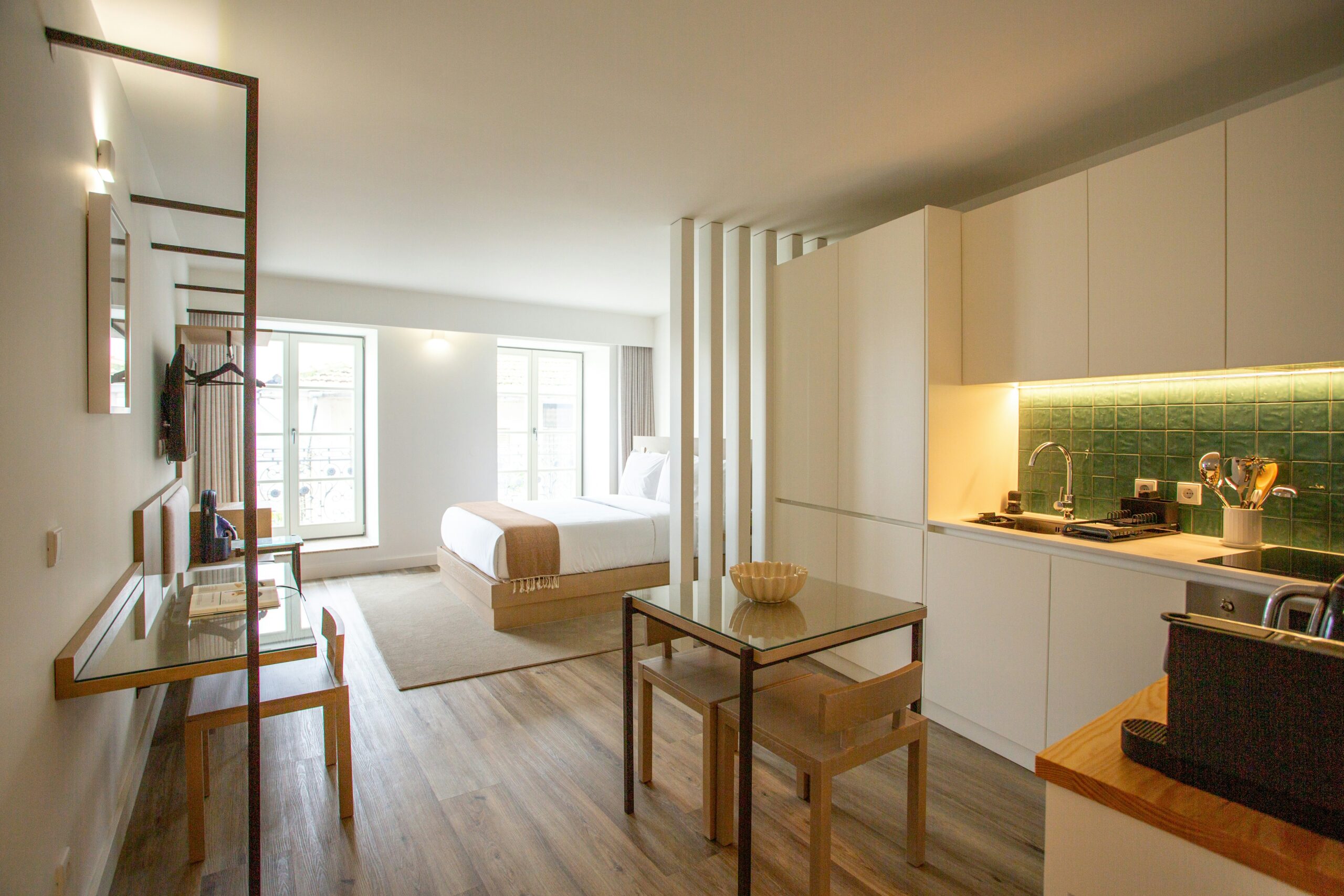
Living in a studio apartment doesn’t mean sacrificing functionality or style. With smart planning and creative solutions, you can carve out distinct zones for sleeping, working, cooking, and relaxing—all within a single open space.
Understanding Your Studio’s Potential
The average studio apartment ranges from 300 to 600 square feet. That sounds limiting, but it’s enough space to create four functional areas when you approach the layout strategically.
Start by measuring your space and noting where windows, doors, and electrical outlets sit. These fixed elements will influence where each zone makes the most sense. Natural light should guide your bedroom placement, while outlets determine your workspace location.
The Four Essential Zones
Every functional studio needs these core areas:
- Sleeping zone: Your private retreat for rest.
- Living area: Space for entertainment and guests.
- Kitchen/dining zone: Food prep and meals.
- Work area: Productive workspace or study corner.
Creating Your Sleeping Zone
Your bedroom area needs privacy, even without walls. Position this zone away from the entrance, ideally near a window for morning light and ventilation.
Room divider options that actually work:
A bookshelf unit serves double duty as storage and a partition. Choose an open-back design that doesn’t block light completely. Fill lower shelves with books and baskets, leaving upper shelves sparse to maintain airflow.
Curtains offer the most flexibility. Install a ceiling track or tension rod to create a soft boundary. Choose medium-weight fabric—sheer enough to let light through but opaque enough for privacy. You can pull them open during the day to expand your space visually.
Platform beds with built-in storage eliminate the need for separate dressers. The raised design creates natural separation from other zones while hiding seasonal items, extra bedding, or rarely used belongings underneath.
Folding screens provide instant privacy without installation. Look for lightweight options you can reposition easily. A three-panel screen works better than straight dividers because the angles create more defined separation.
Designing Your Living Area
This zone typically sits closest to your entrance since guests arrive here first. Keep it open and welcoming without letting it dominate your entire studio.
A compact sofa works better than a full sectional. Choose one with legs rather than a solid base—the visible floor underneath makes your space feel larger. Measure carefully, leaving at least 30 inches of walking space around furniture.
Your coffee table should serve multiple purposes. Storage ottomans work perfectly because they provide seating when friends visit, hide blankets and magazines inside, and can shift to other zones when needed.
Wall-mounted shelving keeps your living area functional without eating floor space. Float shelves at different heights to create visual interest and display books, plants, or personal items that make the space feel like home.
A small side table next to your sofa holds drinks, remotes, and reading materials. Choose one with a lower shelf for extra storage rather than a simple tabletop design.
Setting Up Your Kitchen and Dining Zone
Studio kitchens usually come in small sizes and are fixed in place. Your job is to maximize the surrounding area for meal prep and dining.
Smart kitchen storage solutions:
Magnetic knife strips, hanging pot racks, and wall-mounted spice holders free up precious counter space. Use the inside of cabinet doors for measuring cups, pot lids, or cleaning supplies.
A fold-down table attached to the wall creates an instant dining area. When you’re not eating, it disappears completely. Look for designs that can hold 200+ pounds to support full place settings and serving dishes.
Bar-height tables paired with stools take up less visual space than traditional dining sets. The stools tuck completely underneath when not in use, and you can pull them to other zones when you need extra seating.
Rolling kitchen carts add workspace and storage that move wherever you need them. Use the top for meal prep, the middle shelves for appliances, and the bottom for pots and pans. Roll it aside when you need the floor space.
Consider a counter-height bookshelf as a room divider between the kitchen and living zones. The kitchen side holds cooking essentials while the living room side displays decorative items.
Building Your Work Area
Remote work and side projects need a dedicated space, even in a studio. Position your desk near a window when possible—natural light reduces eye strain and improves focus.
A wall-mounted fold-down desk provides a full workspace that vanishes when your workday ends. Install it at the right height for comfortable typing (around 28-30 inches for most people).
Corner desks maximize awkward spaces that don’t work for other furniture. They create surprising amounts of workspace while keeping the footprint small.
Essential work zone elements:
Good lighting matters more than you think. A desk lamp with adjustable brightness prevents eye fatigue during evening work sessions. Choose LED bulbs to minimize heat in your compact space.
Cable management keeps your space looking clean. Use adhesive clips along desk edges and legs to route charging cables and computer cords out of sight.
Vertical file organizers, wall pockets, and pegboards keep supplies accessible without cluttering your desk surface. Mount them within arm’s reach of your chair.
A comfortable chair is worth the investment since you’ll use it daily. Look for compact designs without bulky armrests that take up unnecessary space.
Strategic Furniture Placement
Furniture arrangement makes or breaks your four-zone layout. Follow these principles for maximum functionality.
Float furniture away from walls when it creates a better flow. A sofa positioned perpendicular to a wall can define your living area while creating a natural pathway to other zones.
Create sight lines that let you see across your studio. Avoid blocking windows or positioning tall furniture in the center of your space.
Leave at least 24-30 inches between furniture pieces for comfortable movement. Tight squeezes make your studio feel cramped and impractical.
Use rugs to define each zone visually. Different textures and colors signal purpose—a plush rug under your coffee table says “living area” while a flat-weave rug under your dining table handles spills better.
Visual Separation Techniques
Beyond physical dividers, several design tricks create distinct zones without adding furniture.
Paint or wallpaper one wall in each zone with different colors. Keep the palette cohesive—variations of the same color family work better than completely different hues.
Lighting zones separately gives each area its own atmosphere. Floor lamps in the living area, pendant lights over the dining table, and task lighting at your desk make each space feel intentional.
Change your flooring approach if you’re allowed. A runner in the sleeping zone or a different rug texture in the kitchen area creates subtle boundaries.
Ceiling-mounted elements like hanging plants or light fixtures draw the eye upward and naturally separate spaces below them.
Maximizing Vertical Space
Studios demand creative storage. Look up to find extra capacity.
High-impact vertical solutions:
Install floating shelves 12-18 inches from the ceiling around your entire studio. Store seasonal items, luggage, or rarely used kitchen appliances up high while keeping everyday items at arm’s level.
Tall bookcases (6+ feet) provide massive storage in a small footprint. Anchor them to walls for safety and fill them strategically—heaviest items on bottom shelves, lightest on top.
Over-door organizers add instant storage without installation. Use them in your sleeping zone for accessories, in your kitchen for snacks and wraps, or near your work area for office supplies.
Wall-mounted fold-out surfaces create a temporary workspace anywhere. Install one in your kitchen for extra prep space or near your entryway for a mail sorting station.
Multi-Functional Furniture Essentials
Every piece in your studio should earn its place by serving multiple purposes.
Murphy beds fold into the wall completely, transforming your sleeping zone into open floor space during the day. Modern designs include built-in shelving or desks that remain accessible when the bed is up.
Storage ottomans serve as coffee tables, extra seating, and hidden storage. Choose ones with removable tops for easy access to contents.
Nesting tables stack when not needed but spread out to provide multiple surfaces for drinks, laptops, or food when you’re entertaining.
Sofa beds accommodate overnight guests without requiring a separate guest room. Look for comfortable mattresses—cheap sofa beds leave guests with backaches.
Color and Light Strategy
Your color choices dramatically impact how spacious your studio feels.
Light colors on walls reflect natural light and make rooms feel larger. White, soft gray, pale blue, or warm beige work well as base colors.
Add depth with darker accent colors in small doses. A navy accent wall behind your bed or charcoal dining chairs creates visual interest without overwhelming your space.
Mirrors strategically placed opposite windows double your natural light. A large leaning mirror in your living area or over your dresser makes your studio feel twice as spacious.
Layer your lighting with three types: ambient (overhead lights), task (desk and reading lamps), and accent (decorative string lights or candles). This layering lets you adjust the mood in each zone independently.
Maintaining Flow and Function
Once you’ve created your four zones, maintaining them requires discipline and smart habits.
Assign everything a home. When every item has a designated spot, you’ll naturally keep zones distinct and avoid clutter creep.
Do a 10-minute reset every evening. Return items to their proper zones, put away dishes, and straighten cushions. This small habit prevents overwhelming cleaning sessions.
Rotate seasonal items into storage. When winter ends, pack away heavy blankets and boots to make room for summer gear. This rotation keeps your studio from feeling stuffed.
Audit your belongings quarterly. If you haven’t used something in three months, consider whether it’s worth the space it occupies.
Making It Work Long-Term
Living successfully in a studio with four distinct zones requires realistic expectations and ongoing refinement.
Your layout will evolve. What works initially might need adjustment as your routines change. Stay flexible and rearrange as needed.
Invest in quality over quantity. One excellent sofa beats three mediocre chairs. One sturdy desk beats multiple wobbly tables.
Embrace minimalism without being extreme. You don’t need to live like a monk, but every item should provide value through function, beauty, or sentiment.
