

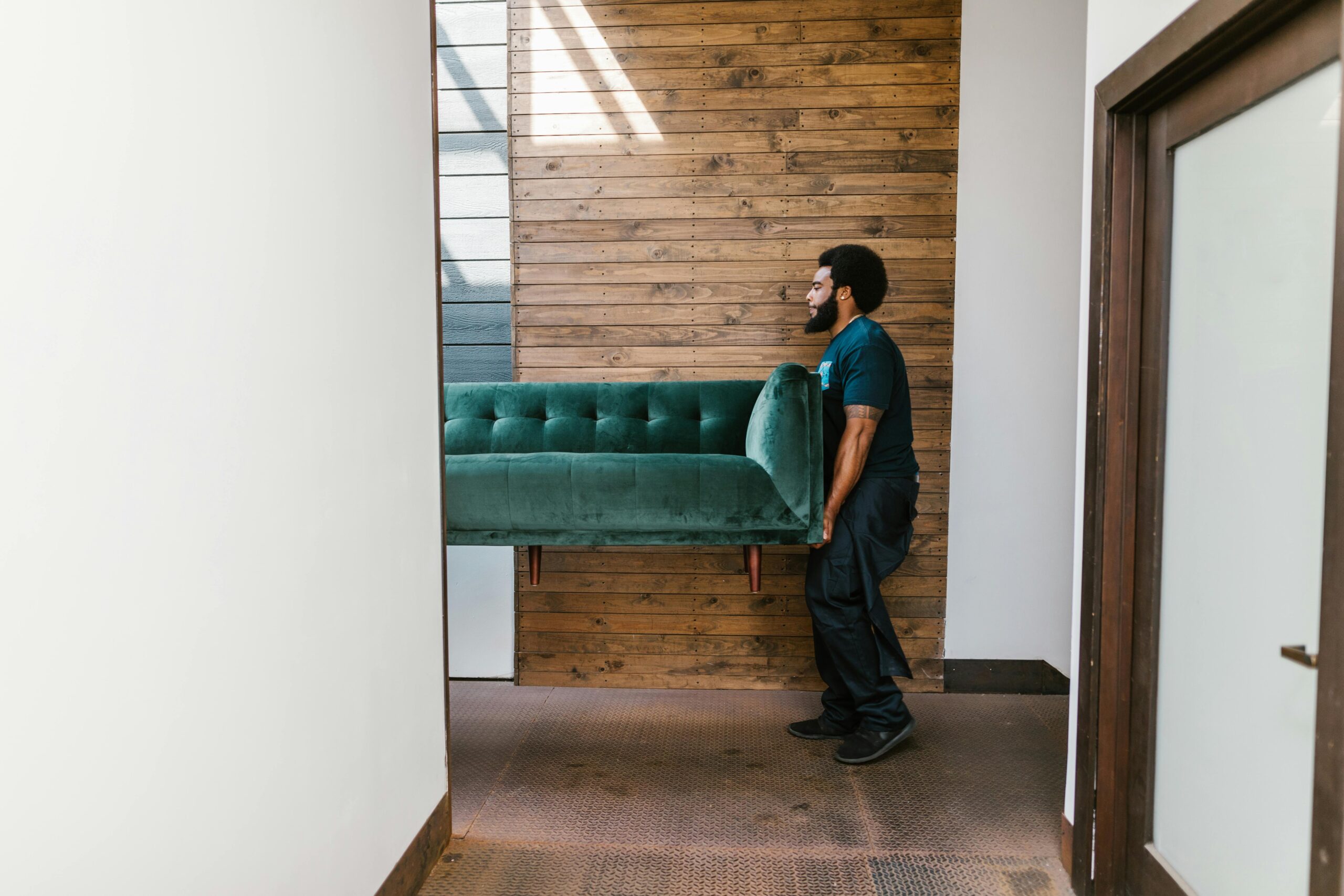
Moving furniture around your home can feel like a gamble. You spend an hour pushing that massive sectional across the room, only to realize it blocks the doorway or makes the space feel cramped.
Then you’re stuck moving it again, scratching your floors, and straining your back in the process.
What Is the Paper Template Method?
The paper template method involves creating life-size paper cutouts of your furniture and arranging them on your floor before moving the actual pieces. You trace the exact footprint of each item onto kraft paper, butcher paper, or even taped-together newspaper, then cut out the shapes and position them in different configurations.
This technique gives you a bird’s-eye view of how your furniture will fit in the space. You can walk around the templates, check traffic flow, and spot problems before they happen. It’s like having a full-scale blueprint of your room layout right there on your floor.
Why This Method Works Better Than Mental Planning?
Most people try to visualize furniture arrangements in their heads or sketch rough diagrams on graph paper. Both approaches fall short because they don’t account for the actual space that the furniture occupies.
Your brain struggles with spatial reasoning at scale. That couch might look perfect in your imagination, but the reality is different when you factor in the depth of the cushions, the width of the arms, and how much clearance you need to walk behind it.
Small-scale drawings don’t help much either. A quarter-inch difference on graph paper translates to six inches in real life, and those inches matter when you’re trying to fit a coffee table between your sofa and TV stand.
Paper templates eliminate the guesswork. They show you exactly how much floor space each piece takes up and how much room remains for movement.
Materials You Need to Get Started
The beauty of this method is its simplicity. You probably have everything you need already sitting in your home.
Basic supplies:
- Kraft paper, butcher paper, or large sheets of newsprint.
- Masking tape or painter’s tape.
- Measuring tape.
- Marker or pen.
- Scissors or utility knife.
- Straightedge or yardstick.
If you don’t have large sheets of paper, tape together newspaper pages or use old wrapping paper. The material doesn’t matter as long as it’s large enough to trace your furniture and sturdy enough to stay in place while you’re testing arrangements.
How to Create Accurate Furniture Templates?
Precision matters here. A template that’s even a few inches off defeats the purpose of this exercise.
Start by measuring each piece of furniture at its widest and deepest points. For a sofa, measure from the outermost edge of one arm to the other, and from the front of the seat cushion to the back. Don’t forget to account for feet that stick out beyond the frame.
For tables, measure the top surface but also check if the base extends beyond the tabletop. Some pedestal tables have feet that flare out at floor level.
Once you have your measurements, transfer them to your paper. Draw a rectangle or the actual shape of the furniture piece, keeping the dimensions exact. Label each template so you know which piece it represents.
Cut out your templates carefully. Ragged edges won’t ruin your planning, but clean cuts make the templates easier to position and reposition.
Mapping Your Room Layout
Before you place any templates, you need to mark the permanent features of your room on the floor. These are the elements you can’t move: doorways, windows, radiators, electrical outlets, and built-in shelving.
Use tape to outline door swings. This shows you exactly where doors open and helps you avoid blocking them with furniture. Many people forget about this detail and end up with a dresser that prevents a door from opening fully.
Mark window locations along the walls with tape. You’ll want to keep these clear for curtains and natural light access.
Note electrical outlets and cable jacks. Your entertainment center needs to go where you can actually plug it in without running extension cords across the room.
Testing Different Arrangements
Now comes the fun part. Start placing your paper templates on the floor in different configurations.
Begin with your largest pieces first. In a living room, that’s usually the sofa. Try it against different walls and at various angles. See how it looks floating in the middle of the room versus pushed against a wall.
Add your other major pieces one at a time: chairs, coffee table, TV stand, bookshelves. Move them around until you find a layout that feels right.
Walk through the space between templates. You need at least 30 inches of clearance for main walkways and 18 inches for secondary paths. If you’re squeezing between templates sideways, your furniture will be too cramped.
Sit on the floor where your sofa template is positioned. Can you see the TV comfortably? Is there enough room for a coffee table within arm’s reach? These small details make a huge difference in daily use.
Traffic Flow and Functional Zones
A beautiful furniture arrangement means nothing if you can’t move through your room comfortably.
Observe the natural paths you take through the space. Where do you enter the room? Where do you usually walk to reach the windows, closet, or other rooms? Your furniture shouldn’t block these natural routes.
Create distinct zones for different activities. In a living room, you might have a conversation area around the sofa, a reading nook by the window, and a media zone around the TV. Templates help you visualize these zones and ensure they don’t overlap awkwardly.
Check the distance between seating pieces. People sitting across from each other should be 6 to 10 feet apart for comfortable conversation. Closer feels confrontational, and farther makes people strain to hear each other.
Common Mistakes to Avoid
Even with templates, people make predictable errors that compromise their final layout.
Don’t push all your furniture against the walls. This creates a bowling alley effect and makes the room feel sterile. Floating furniture away from walls often creates a more intimate and intentional space.
Avoid blocking natural light. A tall bookshelf in front of a window might fit technically, but it darkens the entire room. Your templates should respect light sources.
Remember to account for furniture that expands. A dining table might have leaves that extend it by several feet. A recliner needs clearance behind it to lean back. Create templates for both the compact and expanded states.
Don’t forget about drawers and cabinet doors. Your dresser template might fit perfectly in a corner, but can you actually open the drawers without hitting the wall? Use additional paper strips to show where doors and drawers extend when open.
Adjusting for Real-World Constraints
Sometimes your ideal layout doesn’t work with your room’s specific limitations.
Sloped ceilings, radiators, and oddly placed columns all impact where you can put furniture. Place small pieces of tape or paper to mark these obstacles on your floor so you don’t forget about them during planning.
Consider the view from doorways. When you enter the room, what do you see first? That focal point should be intentional and attractive, not the back of your sofa or the side of a bookshelf.
Think about seasonal changes. If you use a space heater in winter or a floor fan in summer, make sure your layout accommodates these temporary additions without blocking them with furniture.
When to Involve Other People?
If you share your home with family or roommates, get their input before finalizing your layout.
Have them walk through the template arrangement and ask for honest feedback. They might notice issues you missed because they use the space differently.
Kids and pets change traffic patterns significantly. A toddler needs more open floor space for playing. A large dog needs a clear path to their favorite lounging spot. Templates let you test whether your new arrangement still works for everyone.
Making the Final Decision
After testing multiple arrangements, you’ll have two or three favorites. Now it’s time to choose.
Take photos of each layout from different angles. Step back and look at the pictures on your phone. Sometimes seeing the arrangement in two dimensions reveals problems that weren’t obvious from above.
Leave your favorite template layout in place for a day or two. Live with it. Walk around it at different times of day. Imagine yourself using the space for various activities: watching TV, reading, entertaining guests, and vacuuming.
If something still feels off, trust that instinct. Move a few templates around and try again. The whole point of this method is to experiment without consequences.
Moving Day Made Simple
Once you’ve committed to a layout, the actual furniture moving becomes straightforward.
Leave your templates in place and move furniture directly onto them. You already know everything fits, so there’s no second-guessing mid-move.
Take a final photo of the template layout before you start moving furniture, in case you need to reference it later.
Move the largest, heaviest pieces first while you still have maximum energy. Save smaller items like side tables and lamps for last when you’re tired.
Beyond Living Rooms
The paper template method works for any room in your home.
Use it in bedrooms to find the best position for your bed. You might discover that moving the bed away from the wall under the window eliminates a draft problem you’ve dealt with for years.
Try it in home offices to optimize desk placement for natural light and minimal glare on your computer screen.
In dining rooms, templates help you determine if you have room for that larger table you’ve been eyeing or if you need to stick with your current size.
Even closets and storage rooms benefit from this approach when you’re planning shelving units and storage furniture.
The Long-Term Benefits
Spending an afternoon with paper templates saves you from months of living with a suboptimal furniture arrangement.
You protect your floors from the repeated scuffing and scratching that comes with trial-and-error moving. Those floor protectors help, but the best protection is not moving furniture multiple times in the first place.
Your back stays healthy. Furniture moving is one of the leading causes of household injuries. Minimizing how many times you move each piece reduces your injury risk substantially.
You gain confidence in your decorating decisions. Instead of wondering if a different layout might work better, you know you tested the options and chose the best one.
