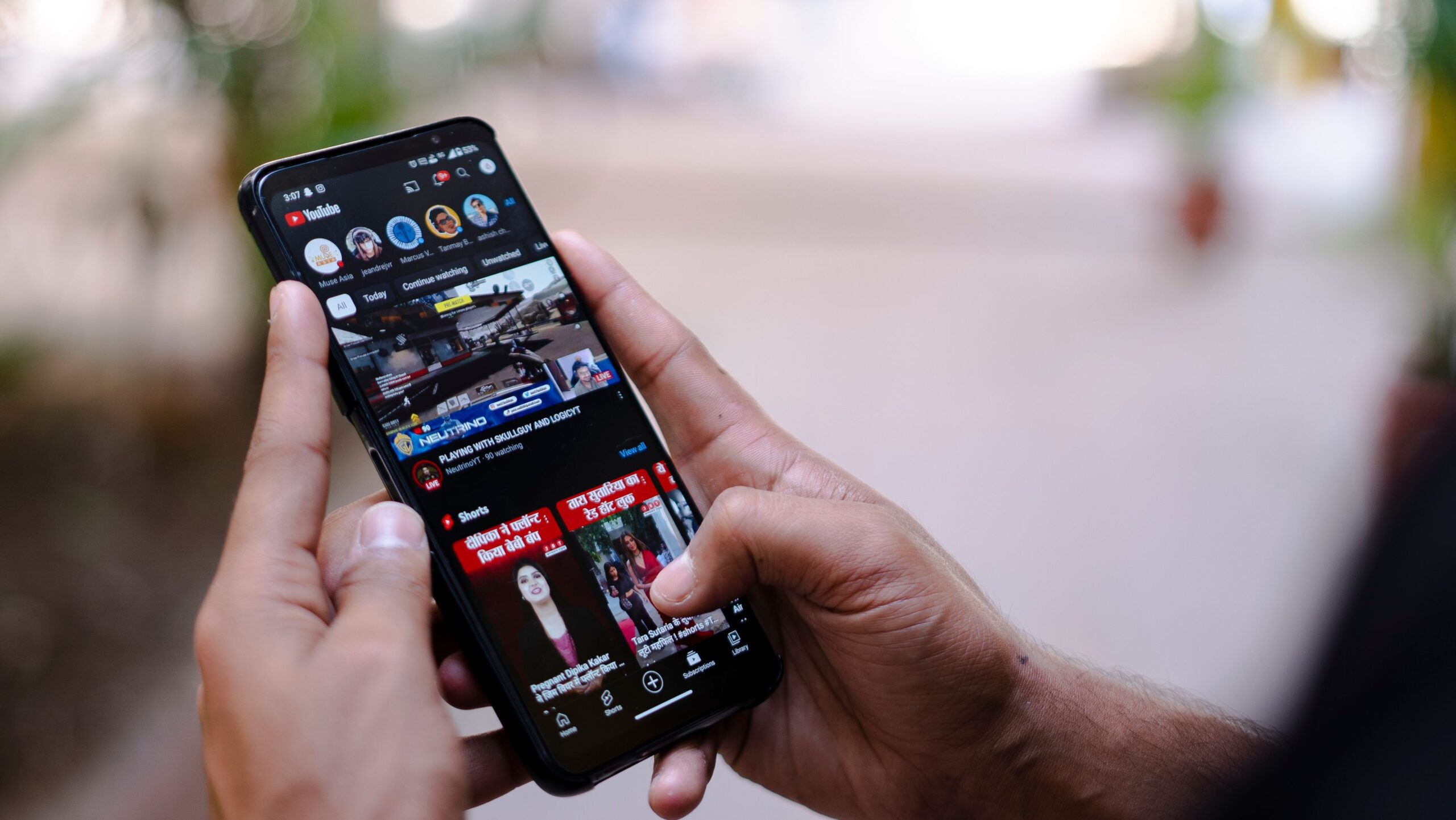
YouTube’s algorithm thrives on consistency. Not just in content themes, but in how audiences behave. Creators often use Shorts to attract viewers who might never engage with their longer videos. This creates a dangerous mismatch.
These viewers want fast entertainment, not deep dives. When they subscribe after a viral Short, their behaviour signals conflict. They ignore long videos, hurting click-through rates and watch time. The algorithm notices.
By 2026, YouTube’s system penalises channels with this disconnect. High subscriber counts mean nothing if no one watches the main content. The channel’s overall score drops, hurting visibility even for loyal viewers.
The Audience Mismatch Problem Explained
Imagine running an architecture history channel. You post a meme Short about funny frescoes. It explodes, gaining 1 million views and 5,000 subscribers. Next, you upload a 20-minute analysis of Gothic design. Your new subscribers ignore it.
These viewers clicked for laughs, not lectures. Their behaviour tells YouTube they don’t want your core content. This kills long-video performance.
The algorithm sees high subscriber numbers but low engagement. It stops recommending your channel to anyone, including existing fans—your growth stalls.
Short Types That Harm Long-Form Content
Meme Videos and Chaotic Off-Topic Clips
Shorts packed with random clips or unrelated moments attract fickle viewers. They offer zero loyalty to your main content. Your subscriber base fills with inactive accounts.
Viral Hits Outside Your Niche
A cooking channel is posting a Trump interview. Short gains reach. But viewers expecting recipes won’t care about baking tutorials. This mismatch damages future video performance.
Fast-Paced Shorts vs Slow Long Videos
If your long videos are meditative, faceless shorts with 50 cuts in 30 seconds create cognitive dissonance. Viewers expecting high energy won’t tolerate slow pacing. This leads to lower retention and algorithm penalties.
How YouTube Interprets Audience Behaviour?
When viewers close long videos quickly, YouTube marks them as irrelevant. The algorithm assumes your content doesn’t match audience expectations. This creates a feedback loop of declining recommendations.
Signs Your Shorts Are Hurting Your Channel
- High Shorts views but low long-video watch time.
- New subscribers rarely engage with the main content.
- Click-through rates on long videos plummet after the success.
- Channel growth stagnates despite viral Shorts.
Solving the Problem: The Content Bridge Strategy
The solution is aligning Shorts with long-form goals. Create a bridge between entertainment needs and depth.
Here’s how:
- Use Shorts to preview long-video concepts.
- Maintain consistent pacing and tone across formats.
- Focus on storytelling over flashy effects.
Short Formats That Boost Long-Form Videos
Choose Shorts that naturally lead to your main content.
Examples:
- Concept Teasers: Show a problem your long video solves.
- Behind-the-Scenes: Highlight your process without revealing everything.
- Myth-Busting Snippets: Pose questions answered in full videos.
When to Create a Separate Shorts Channel
Sometimes, audience segmentation isn’t possible. Educational channels struggle to preview complex topics in Shorts. In these cases, a dedicated Shorts channel prevents algorithm conflicts.
Steps to decide:
- Run A/B tests with content bridges for one month.
- Track long-video performance during and after Shorts campaigns.
- If metrics drop, split channels to isolate audiences.
The First Few Seconds Are Everything
Viewers decide fast. On Shorts-focused platforms, attention spans are razor-thin. A slow intro or unnecessary setup kills retention.
Many creators blame poor creativity. Often, it’s pacing. A great idea buried in too much setup loses viewers before the point lands.
The challenge isn’t recording. It’s editing. Cutting strategically keeps viewers engaged until the end.
Editing Is Harder Than Recording
Creators find recording easy. Editing is the real grind. Long videos with pauses, repeated thoughts, or slow intros eat time and energy.
Desktop editing software complicates things. Importing files, organising timelines, and waiting for exports drains motivation. Many tools are overkill for simple cuts.
You don’t need advanced effects. You need precision. Quick, clean edits make daily content manageable.
Cutting Outperforms Filters and Effects
Most creators obsess over cameras and filters. These improve presentation but rarely stop drop-offs. The real issue? Timing.
Clean cuts fix pacing issues:
- Remove dead air at the start.
- Shorten redundant explanations.
- Eliminate pauses between sentences.
These tweaks boost retention more than any visual effect.
The Algorithm Rewards Consistency
YouTube’s system favours channels where Shorts and long videos serve the same audience. When viewers subscribe after a Short, they should want more. If not, the algorithm punishes both formats.
Align your Shorts with your channel’s core mission. Use them to hook viewers who’ll stay for the long haul.
Actionable Tips for Smarter Shorts
- Match Pacing: If your long videos are slow, avoid hyper-edited Shorts.
- Preview Value: Show what viewers gain from watching your full content.
- Track Metrics: Monitor watch time and engagement after Shorts launches.
- Test Separately: Run Shorts on a secondary channel to isolate impact.
Case Study: The Architecture Channel Dilemma
An architecture educator posted meme Shorts for months. Subscribers jumped, but long-video watch time crashed. Their channel score dropped, hurting visibility.
They switched to concept teasers. Shorts now preview design principles explored in full videos. Subscriber retention improved, and long-video performance rebounded.
The Bottom Line
Shorts aren’t magic. They’re tools. Used poorly, they sabotage long-form growth. Used wisely, they drive engaged viewers to your main content.
Focus on alignment. Edit ruthlessly. Track results. Your channel’s future depends on it.