

How to Choose a Dental Clinic in Brussels: Questions to Ask Before Booking
Finding a reliable dentist in a busy capital like Brussels can feel overwhelming. Whether you are an expat living in Ixelles or a local in Etterbeek, the city offers hundreds of options. You want more than just a quick cleaning; you need a professional who understands your health history and provides transparent pricing.
Selecting the right provider impacts both your oral health and your wallet. The Belgian healthcare system is unique, particularly regarding how much you pay out of pocket. This guide helps you navigate the search for a dental clinic in Brussels by highlighting the essential questions to ask.
Understanding the Dental Landscape in Brussels
The Belgian dental system operates on a reimbursement model. Most residents belong to a “mutuelle” (health insurance fund) that covers a significant portion of basic care. However, not every clinic charges the same rates.
In Brussels, you will encounter “conventional” and “non-conventional” dentists. Conventional dentists agree to follow the official price list set by the National Institute for Health and Disability Insurance (INAMI). Non-conventional dentists set their own rates, which are often higher.
Knowing the status of a clinic is the first step in managing your budget. Many high-end clinics in areas like Louise or Montgomery are non-conventional. They often offer faster appointments or more modern amenities, but at a higher price point.
How to Choose a Dental Clinic in Brussels: Questions to Ask Before Booking
When you call a clinic for the first time, don’t just ask for an opening. The person at the front desk can provide vital information to determine whether the clinic is a good fit. Use this checklist to screen potential providers.
1. Are You a Conventioned Dentist?
This is the most critical question for your finances. A conventional dentist charges the standard legal fee. Your insurance will then refund the majority of that cost.
If they are non-conventional, ask for their standard consultation fee. Some clinics are “partially conventioned,” meaning they follow official rates only during specific hours. Always clarify this before you sit in the dentist’s chair.
2. Which languages do the Staff Speak Fluently?
Brussels is a multilingual hub where French and Dutch are official. However, many expats prefer communicating about medical issues in English.
Clear communication prevents misunderstandings about procedures or costs. Ensure the dentist and the administrative staff can explain complex dental terms in a language you are comfortable using. This reduces anxiety and builds trust.
3. What Is Included in a Routine Check-up?
Every clinic has a different protocol for “basic” care. Some include a professional cleaning and scaling (detartrage) in the initial visit. Others might only perform a visual inspection and schedule the cleaning for a later date.
Ask if X-rays are standard during the first visit. Digital X-rays are faster and emit less radiation. Knowing the scope of the first appointment helps you plan your time and budget.
4. Do You Offer Specialized Treatments In-House?
Many patients prefer a “one-stop shop” for their dental needs. Ask if the clinic has specialists for orthodontics, periodontics, or endodontics (root canals).
If you have children, check if they have a pediatric dentist on staff. Having a team of specialists under one roof ensures better coordination of your care. It also saves you from having to travel to different parts of the city for various treatments.
5. How Do You Handle Dental Emergencies?
Tooth pain doesn’t follow a 9-to-5 schedule. Ask the clinic about their policy for urgent cases. Do they leave gaps in their daily schedule for emergency walk-ins?
In Brussels, there is a central emergency dental service for weekends and public holidays. However, knowing your primary clinic can see you quickly during the week provides immense peace of mind.
Evaluating the Technology and Facilities
Modern dentistry relies heavily on advanced tools. A clinic that invests in new technology often provides more accurate diagnoses and less painful treatments.
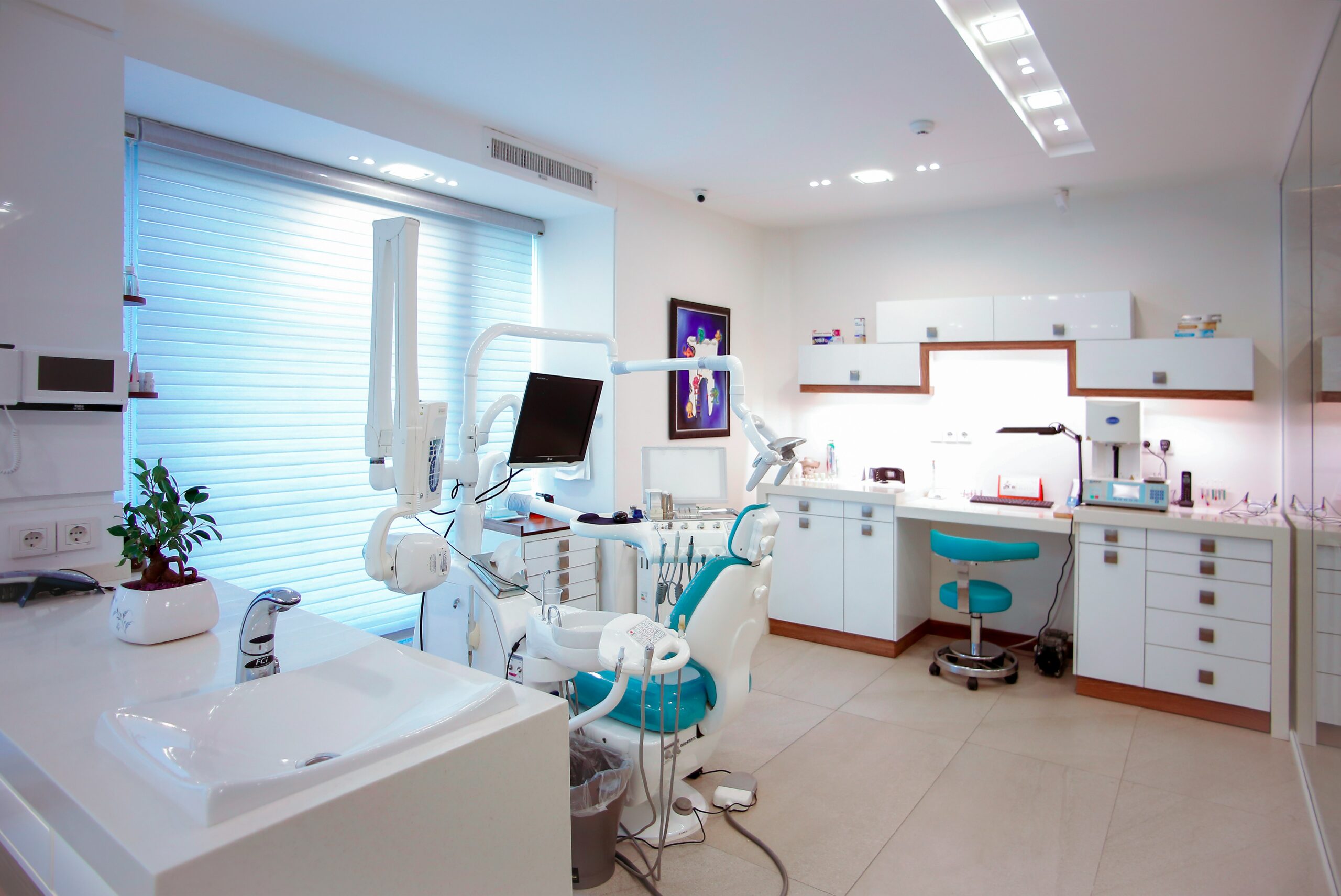
When you visit a clinic’s website or walk into the lobby, look for signs of modern equipment. This includes digital scanners instead of messy physical molds. Intraoral cameras are also helpful as they allow you to see what the dentist sees on a screen.
Ask the staff about their sterilization protocols. Belgium has strict health regulations, but a transparent clinic will be happy to explain how it maintains a sterile environment. High-quality clinics often use automated autoclaves for instrument cleaning.
Location and Accessibility in Brussels
Brussels traffic is notoriously difficult. Choosing a clinic that is easy to reach by STIB/MIVB public transport is often better than picking one with a parking lot.
Consider the neighborhood’s vibe and your daily routine. If you work near the European Quarter, finding a dentist in Schuman or Leopold Park makes sense for lunchtime appointments. If you live in Uccle, a local clinic might be more convenient for early morning slots.
Check the clinic’s opening hours. Many Brussels dentists now offer late-night appointments on Tuesdays or Thursdays. Some even open on Saturday mornings to accommodate busy professionals.
Questions to Ask About Costs and Billing
Transparency in pricing is a hallmark of a professional dental clinic. You should never feel surprised by a bill at the end of your visit.
Do You Provide a Written Quote for Major Work?
For treatments like crowns, bridges, or implants, a written “devis” (quote) is standard. This document should break down the material costs, lab fees, and the dentist’s performance fee.
Do You Offer Third-Party Payer (Tiers Payant)?
Some clinics offer the “tiers payant” system. This means you only pay your share of the bill (the “ticket modérateur”), and the clinic bills the insurance fund directly for the rest. This is very helpful for expensive procedures as it prevents you from being out of pocket for large sums.
What Payment Methods Are Accepted?
While most clinics accept Bancontact or credit cards, some smaller practices prefer immediate payment. Confirm if they accept apps like Payconiq. Avoid clinics that insist on cash only without providing an official receipt.
Checking Reviews and Reputation
Online reviews provide a glimpse into the patient experience. Look for patterns in the feedback rather than isolated comments.
- Consistency: Do multiple people mention that the dentist is gentle or explains things well?
- Punctuality: Is the clinic known for long wait times in the reception area?
- Customer Service: How does the staff handle phone calls and booking changes?
Websites like Doctena allow you to book online and see verified patient ratings. However, don’t ignore word-of-mouth recommendations from colleagues or local community groups.
The Importance of a Preliminary Consultation
Before committing to a long treatment plan, book a simple cleaning or consultation. Use this time to evaluate the “chairside manner” of the dentist.
A good dentist will listen to your concerns without rushing you. They should explain all possible treatment options, including the pros and cons of doing nothing. If a dentist pushes expensive cosmetic work during your first visit, it might be a red flag.
Focus on how they handle your anxiety. If you are a nervous patient, ask if they offer sedation options or “slow dentistry” techniques. A clinic that prioritizes your comfort is always worth the investment.
Navigating the Mutualité Reimbursement Process
To get your money back, you need an official document called an “attestation de soins donnés.” Most modern clinics in Brussels now send this electronically to your insurance provider.
If they still use paper forms, you must mail the green or white slip to your mutuelle. Ensure your yellow identification sticker is attached to the form. Typically, the refund appears in your bank account within five to ten business days.
If you have private dental insurance through your employer (such as DKV or Alan), ask the clinic if they can complete the specific forms required by these companies. Private insurance often covers the “extra” costs that the state insurance does not.
How to Choose a Dental Clinic in Brussels for Families?
If you have children, the criteria for choosing a clinic change slightly. Pediatric dentistry requires a specific approach to prevent lifelong dental phobias.
Ask if the clinic has a dedicated waiting area for kids. Check whether the dentists use the “tell-show-do” technique to explain tools to children. In Belgium, dental care for children under 18 is largely covered by the state, often with zero out-of-pocket costs at conventional clinics.
Regular visits for children should start as soon as their first teeth appear. A clinic that fosters a positive environment for toddlers is a valuable asset for your family’s long-term health.
Finding a Specialist: When General Care Isn’t Enough
Sometimes, a general dentist will refer you to a specialist. In Brussels, you have access to world-class university hospitals, such as Saint-Luc and UZ Brussel, which offer specialized dental services.
- Orthodontics: For braces or clear aligners.
- Periodontics: For gum disease and bone health.
- Endodontics: For complex root canal treatments.
- Oral Surgery: For wisdom teeth removal or implants.
Ask your general dentist why they are recommending a specific specialist. In many cases, specialized clinics in Brussels have shorter wait times than the major hospitals.
Final Checklist Before You Book
Before you pick up the phone to book your appointment in Brussels, run through this final list:
- Status Check: Did you confirm if they are conventioned?
- Location: Is it near a Metro or Tram line you use?
- Language: Can you speak to the doctor in a language you understand?
- Specialty: Do they offer the specific treatment you need?
- Reviews: Have you checked recent feedback from other patients?
Choosing a dental clinic in Brussels requires a bit of research, but it pays off in the quality of care you receive. By asking the right questions before booking, you ensure a stress-free experience.
Conclusion
Determining which dental clinic to choose in Brussels involves balancing cost, convenience, and clinical expertise. Start by identifying your primary needs—whether that is an English-speaking provider, a conventional rate, or a location near your office. Use the questions outlined in this guide to filter through your options.
A great dental relationship can last for decades. Taking the time to ask about billing, technology, and emergency care now will save you from headaches later. Brussels offers excellent dental care; you need to find the provider that aligns with your personal health goals.