

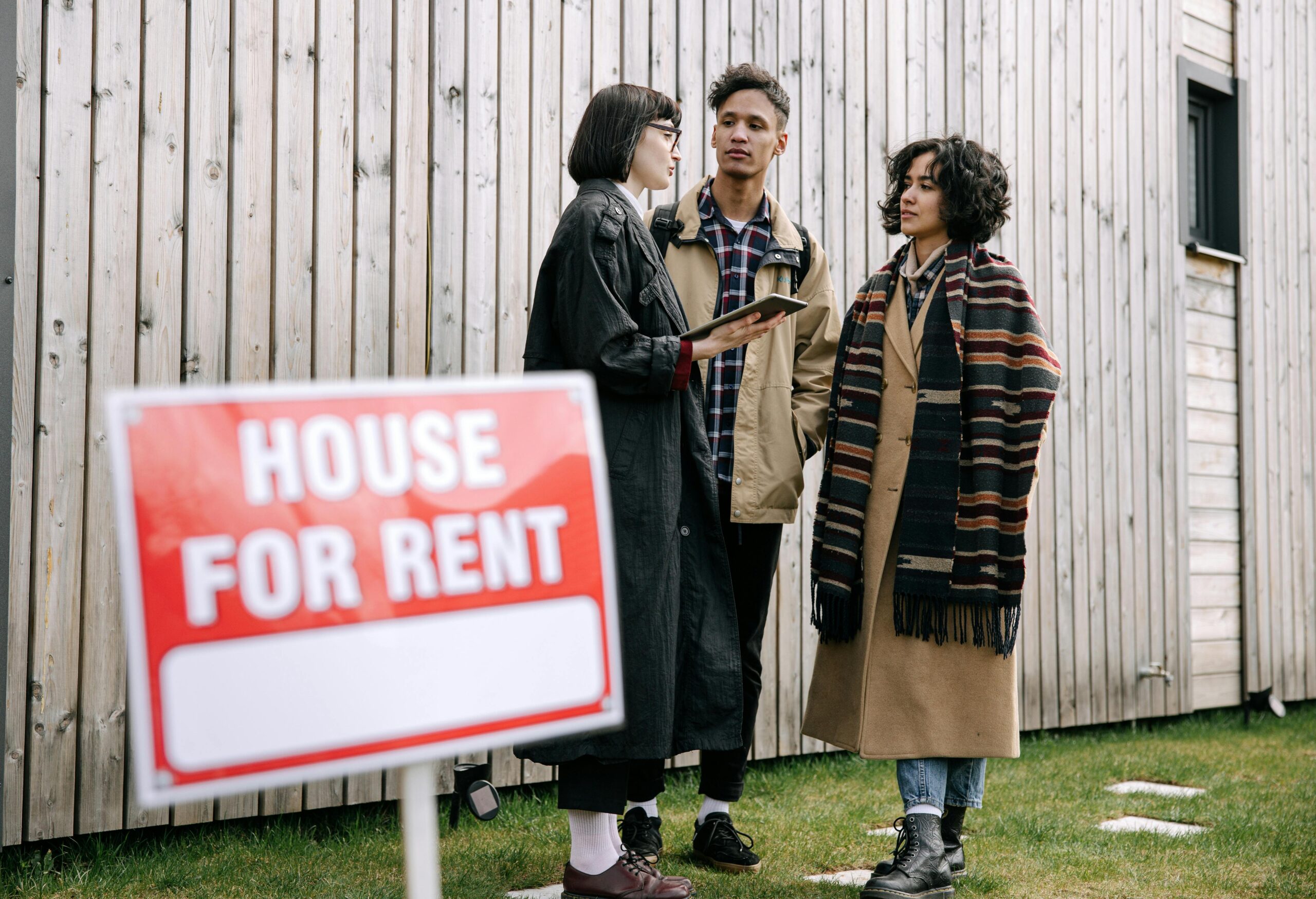
Renting or Buying in Brussels: When to Contact a Real Estate Agency?
Choosing between renting and buying in the heart of Europe requires a careful review of your finances and plans. Brussels offers a unique property market where transaction costs are high, but rental protections are strong.
Most newcomers struggle to navigate the “3-6-9” lease system or the complex notary fees associated with a purchase. Knowing when to handle the search yourself and when to bring in a professional can save you thousands of euros.
The Current Brussels Real Estate Landscape
The Brussels-Capital Region is a patchwork of 19 distinct municipalities, each with its own tax rates and atmosphere. Neighborhoods like Ixelles and Etterbeek remain hotspots for expats, while Jette and Evere offer more breathing room for families.
Prices have remained relatively stable compared to other European capitals, but the cost of entry for buyers is high. You must account for registration duties, which often hover around 12.5% of the purchase price.
For renters, the market is competitive. High demand for quality apartments means the best units often sell out within 48 hours of being listed on portals like Immoweb.
Renting in Brussels: Flexibility and Protections
Renting is the standard choice for those staying in Belgium for less than five years. The legal framework heavily favors the tenant, provided you understand the standard contract types.
The Standard 3-6-9 Lease
Most residential contracts follow the “short-term” or “nine-year” model. A nine-year lease allows you to leave at any time, provided you give three months’ notice.
If you leave within the first three years, you may owe a penalty. This penalty is typically three months’ rent in the first year, two in the second, and one in the third.
Upfront Costs for Renters
You should prepare for a security deposit, typically equal to two or three months of base rent. This money is held in a blocked bank account, not by the landlord directly.
Additionally, you will likely share the cost of a professional “état des lieux” (entry survey). This document is vital for getting your deposit back when you move out.
Buying in Brussels: Long-Term Equity
Buying property in Brussels is an investment in stability. While the “entry tax” is high, the lack of capital gains tax on primary residences (if held for five years) makes it attractive.
The “Abattement” Tax Break
First-time buyers in Brussels can benefit from a significant tax reduction. As of 2024, the first €200,000 of a property purchase may be exempt from the 12.5% registration duty.
This incentive is designed to help people transition from renting to owning. To qualify, the property price must stay below a certain threshold, usually around €600,000.
Hidden Costs of Ownership
Beyond the mortgage, you must factor in the “Précompte Immobilier” (annual property tax). You should also set aside funds for mandatory building insurance and potential “syndic” (building management) fees.
Detailed breakdowns of these costs can be found on the official Notaire.be website, which provides calculators for registration fees and deeds.
Comparing Costs: Renting vs. Buying
| Feature | Renting in Brussels | Buying in Brussels |
|---|---|---|
| Upfront Cash | 2-3 months deposit + 1st month rent | 10-20% down payment + 13-15% fees |
| Maintenance | Landlord covers major repairs | You cover all costs and renovations |
| Flexibility | High (3-month notice period) | Low (Selling takes 4-6 months) |
| Tax Impact | None | Potential tax deductions for loans |
| Ownership | No equity built | Long-term wealth generation |
When to Contact a Real Estate Agency?
Many people start their search online, but there are specific scenarios where a real estate agency is essential. Professional help is not just about finding a door key; it is about legal safety.
1. You Face a Language Barrier
While many locals speak English, legal documents are strictly in French or Dutch. A real estate agent ensures you are not signing a “compromis” (sales agreement) with hidden clauses.
Agencies act as translators for the local customs. They explain the nuances in the building permits or environmental certificates that are mandatory in Brussels.
2. You Need Access to Off-Market Listings
The best properties in Saint-Gilles or Uccle often never hit the public portals. Agencies maintain “waiting lists” for qualified buyers and renters.
By contacting an agency early, you get a head start. You can view properties before the general public, giving you a massive advantage in a tight market.
3. The Complexity of the “État des Lieux”
In Belgium, the move-in inspection is a legal battlefield. If you are renting, an agency can represent your interests to ensure every scratch is documented.
This prevents landlords from claiming your deposit for pre-existing damage. For buyers, an agent can spot structural issues that a layperson might miss during a viewing.
4. Navigating Administrative “Urbanisme.”
Brussels has strict zoning laws. If you want to buy a house and split it into two apartments, you need a professional to check the urban planning status.
A real estate agency will verify if the current layout of the house is actually legal. This prevents you from inheriting fines or being forced to undo renovations.
How to Choose a Trusted Brussels Agency?
Not all agencies are equal. In Belgium, real estate agents must be registered with the IPI (Institut Professionnel des Agents Immobiliers).
Verify the IPI/BIV Number
Always check that your agent has a valid IPI number. This ensures they are bonded, insured, and in compliance with the national code of ethics. You can verify agents at the IPI official site.
Check Local Expertise
An agency based in Antwerp will not have the same “feet on the ground” knowledge as one based in Schaerbeek. Choose a firm that specializes in the specific commune where you want to live.
Ask them about the local “communal” taxes and school districts. A good agent knows which streets are quiet and which are prone to traffic noise during rush hour.
Essential Questions for Your Real Estate Agent
Before signing an exclusivity contract with an agency, ask these direct questions:
- For Buyers: “Does this property have a valid PEB (Energy Performance Certificate) and an electrical compliance report?”
- For Renters: “Are the common charges (charges communes) fixed, or are they a ‘provision’ that could increase at the end of the year?”
- For Everyone: “What are your total fees, and who pays them—the owner or the seeker?”
In Belgium, the owner usually pays the agency commission for rentals. For buyers, the listed price generally excludes the agency fee unless otherwise stated.
The Legal Steps of Buying a Home
If you decide to buy, the process follows a strict chronological order. Skipping a step can lead to legal penalties.
- The Offer: You submit a written offer with a validity period.
- The Compromis: Once the offer is accepted, you sign a sales agreement. You typically pay a 10% deposit into a notary’s escrow account.
- The Mortgage Search: You usually have 3 to 4 weeks to secure financing. Ensure your offer includes a “suspensive clause” for the loan.
- The Final Deed: Within four months, the notary finalizes the sale. This is when the keys are handed over.
Tips for a Successful Rental Search
If renting is your path, speed is your best friend. Prepare a “rental folder” before you start viewing properties.
Include copies of your ID, your last three payslips, and your employment contract. Having these ready to hand over during a viewing shows the landlord you are a serious and stable candidate.
Avoid offering more than the asking price. Unlike some other markets, “rental bidding wars” are less common in Brussels and can sometimes be seen as a red flag by owners.
Understanding Brussels Neighborhood Profiles
Your choice between renting and buying may depend on which area of the city you prefer.
- European Quarter: High rental demand, perfect for short-term expats. Prices are high, but vacancies are low.
- Woluwe-Saint-Lambert: A green, family-oriented area. Excellent for buying a long-term home due to its appreciation value.
- Brussels City Center: Vibrant and bustling. Great for young professionals renting their first studio.
- Ixelles (Chatelain): The trendy heart of the city. Buying here is expensive, but it offers the best lifestyle for those who enjoy dining and boutiques.
Final Thoughts on the Brussels Move
The decision to rent or buy in Brussels boils down to your timeline. If you plan to stay for five years or more, buying allows you to build equity and escape the cycle of rising rents.
However, if your career is mobile, renting provides the freedom to leave without the burden of selling a high-cost asset.
Regardless of your choice, a real estate agency is your shield against legal errors. They bridge the gap between your needs and the specific, often complex, Belgian property laws.
Start your journey by visiting reputable local agencies and browsing verified listings. Secure your spot in the European capital with the right professional guidance.
Frequently Asked Questions
Can foreigners buy property in Brussels easily?
Yes, there are no restrictions on foreigners buying property in Belgium. You will need a Belgian bank account and a local notary to handle the transaction.
What is a PEB certificate?
The PEB is an energy performance rating from A++ to G. In Brussels, this is mandatory for every listing. It tells you how much you will likely spend on heating and electricity.
How long does it take to find an apartment in Brussels?
For renters, the average search takes two to four weeks. For buyers, the process from search to move-in usually takes four to six months.
Are real estate agency fees negotiable?
In sales, commissions are usually between 2% and 3% plus VAT. While sometimes negotiable for high-value properties, these rates are standard across the region.